The best practical electronics exam questions are the ones that match your current assessment format, provide useful feedback, and let you practise the tools or procedures you will actually use.
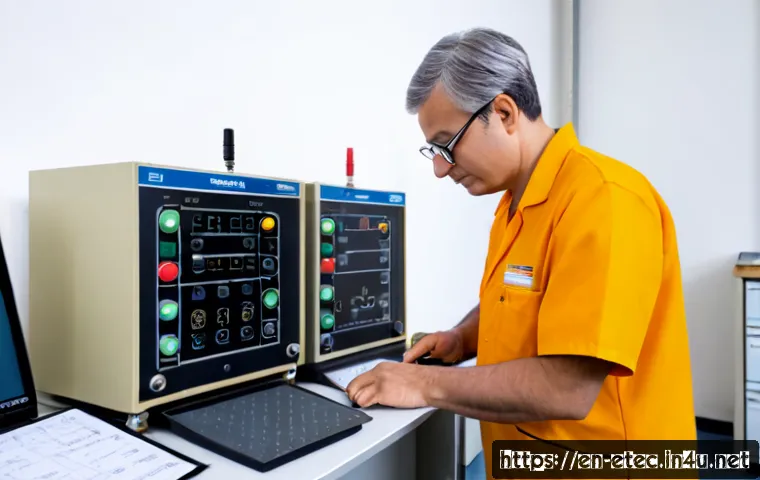
A paid question bank, lab kit, tutor, or exam-prep course can be worthwhile when it fixes a specific gap rather than simply giving you more questions.
Practical assessments often test specification reading, procedure-following, measurements, fault diagnosis, and result documentation. Random repetition can feel productive while reinforcing poor setup habits or incomplete troubleshooting.
A structured system turns each attempt into evidence about what to practise next. Before spending money, compare the quality of explanations, available lab time, equipment requirements, and the provider’s terms.
At a Glance
- Choose alignment first: practice questions should reflect the current target format, tools, marking criteria, and safety expectations.
- Use every mistake: timed attempts and error logs reveal whether the problem is knowledge, setup, measurement, interpretation, or reporting.
- Pay for the missing condition: more questions may help, but lab access, feedback, or tutoring can be more useful for a practical skills gap.
| Practice Resource | Best Use Case | Feedback Level | Equipment Needs | Typical Cost Factors |
|---|---|---|---|---|
| Printed workbook or worksheet | Building familiarity with task wording, calculations, and written responses | Usually self-marking or answer-key based | Low unless tasks require physical testing | Purchase price, update date, answer explanations |
| Online question bank | Timed mock assessments and repeated practice by topic | Varies by explanation quality and progress tracking | Usually low for theory-based tasks | Subscription length, access limits, current-format coverage |
| Simulation software or electronics lab kit | Testing circuit interpretation, measurement flow, and setup habits | Depends on the simulator, kit guidance, or supplied tasks | Computer, kit, test equipment, and safe workspace where applicable | Software access, components, replacement parts, equipment availability |
| Instructor-led lab course or tutoring | Correcting practical methods, troubleshooting, and reporting under observation | Direct feedback from an instructor or tutor | Often includes supervised equipment access | Course structure, lab time, instructor access, cancellation and refund terms |
Start With a Practice System, Not Random Questions
A useful practical electronics exam session should produce more than a score. It should show whether you can interpret the specification, complete the procedure in a sensible order, and explain or document the result clearly. If a question only tells you that an answer was wrong, it has limited value unless you investigate why.
The Three Outcomes Every Practice Session Should Produce
First, identify the technical result: did the circuit, calculation, measurement, or diagnosis meet the task requirement? Second, identify the process result: did you select equipment correctly, set it up safely, follow the procedure, and use time well? Third, create one repeatable improvement action, such as checking probe placement before powering a circuit or writing units beside each measurement.
How to Match Questions to the Practical Skills Being Tested
Start with the official information available for your target assessment and check what must be demonstrated. A relevant question may require you to interpret component values, follow a test procedure, measure an output, identify a fault, or write a short report. Check whether the practice resource matches the required tools, expected documentation, safety expectations, and current task style. Older questions may still be useful for basic skill practice, but their relevance to the present assessment needs verification.
A Quick Three-Line Preparation Summary for Busy Candidates
Attempt: complete one task under realistic timing. Review: label each error as knowledge, setup, measurement, interpretation, or reporting. Repeat: redo the weak step before moving to a new question.
Compare Practice Resources by Feedback, Equipment, and Cost
The cheapest resource is not automatically the best value. The right electronics exam prep option is the one that targets your weakest test condition without making unsupported promises about results.
Printed Question Sets and Self-Marking Worksheets
Printed practice sets are often useful when you need focused repetition of calculations, circuit symbols, specifications, and written explanations. They work best if the answer key explains the method rather than showing only a final result. They are less effective for candidates who know the theory but struggle with meter setup, wiring, fault isolation, or documenting physical test results.
Online Question Banks and Timed Mock Assessments
An online question bank can help you build a routine and practise under timed conditions. Look for current-format coverage, clear answer explanations, and the ability to revisit missed topics. Timed mock assessments are especially useful when your difficulty is calculation speed, circuit interpretation, or deciding what to do first. They cannot fully replace hands-on work if the target exam requires live measurement or supervised practical procedures.
Circuit Simulators, Lab Kits, and Supervised Training
Simulation software can help you examine circuit behavior and practise logical fault-finding without relying only on memorized patterns. An electronics lab kit can be useful when it supports the exact skills you need to practise, but it does not automatically recreate the tools or conditions of an assessment. Supervised practical sessions may be a stronger option when you need feedback on measurement technique, equipment handling, soldering, or safe procedure.
Work involving live circuits, batteries, soldering, test equipment, or high voltage requires appropriate safety procedures and supervision where applicable. Do not use unfamiliar equipment beyond your competence simply to make practice feel more realistic.
When a Paid Prep Course or Tutor May Offer Better Value
A paid exam-prep course or tutor may make sense when you repeatedly make the same process error and cannot identify the cause from a model answer. It can also help if you have limited lab access, need structured practical sessions, or struggle to turn measurements into a clear written report. Before enrolling, compare the course structure, available lab time, instructor feedback, equipment access, and refund terms. More content is not necessarily better if your real need is observation and correction.
Turn Each Attempt Into a Repeatable Technical Skill
Practical questions become valuable when they create a method you can use on an unfamiliar task. The aim is not to remember the answer pattern. The aim is to build a reliable sequence for reading, preparing, testing, checking, and reporting.
Use a Timed Attempt, Then Separate Knowledge Errors From Process Errors
Complete the first attempt without checking the model answer. Then review it in two passes. In the knowledge pass, identify missing concepts, incorrect calculations, or misunderstood specifications. In the process pass, look for avoidable errors such as skipped setup checks, unsuitable measurement ranges, poor task order, or incomplete documentation. This distinction matters because a theory resource may solve a knowledge gap, while practical coaching or lab time may solve a process gap.
Build an Error Log for Calculations, Wiring, Measurement, and Reporting
Keep a short error log after each session. Record the task type, what went wrong, the likely cause, and the corrective check you will use next time. For example, a measurement issue might lead to the checklist item: “Confirm the required output and selected instrument setting before recording a value.” A reporting issue might lead to: “State the measurement, unit, observation, and conclusion in the required order.”
Rework Missed Tasks Without Looking at the Model Answer First
After review, set the answer aside and retry the task from the beginning. If you look at the solution while reworking it, you may recognize the steps without being able to generate them independently. Only compare your second attempt after you have committed to a method. This exposes whether you corrected the underlying skill or merely followed a remembered sequence.
Avoid Common Practical-Test Mistakes
Many weak results come from preventable preparation choices rather than lack of effort. A few checks can prevent you from spending study time on resources that do not match your assessment.
Practicing Obsolete Formats or Questions Without Checking Alignment
Confirm the target exam’s current syllabus, task format, permitted equipment, and marking expectations before treating any question set as representative. Do not assume an older workbook, course, or question bank matches the present assessment. If the provider does not explain its update process, verify the details through official assessment information.
Memorizing Answer Patterns Instead of Understanding Measurements

A familiar diagram can create false confidence. In a practical test, component placement, stated conditions, expected outputs, or fault symptoms may change. Practise asking: what is being measured, what should the reading indicate, and what result would suggest a different fault or interpretation? This makes your method more flexible than memorizing a fixed answer.
Ignoring Setup Time, Safety Checks, and Documentation
Timed practice should include the full workflow, not only the final calculation or diagnosis. Include reading the instructions, selecting equipment, checking the setup, taking measurements, and recording results. Safety and documentation can be part of the practical skill being assessed, not optional work to complete later.
Using Equipment Beyond Your Competence or Without Appropriate Supervision
Do not turn exam preparation into an unsafe experiment. Follow applicable safety procedures and seek appropriate supervision for work involving energized circuits, high voltage, soldering, batteries, or test instruments you have not been trained to use. A simulator, written procedure review, or supervised practical session may be the more suitable starting point.
Adapt Your Plan to Your Starting Point
Your study plan should change based on the problem you are trying to solve. A single question bank may not address every candidate’s needs.
If You Understand Theory but Lose Time in Practical Tasks
Use timed practice with a visible sequence: read the requirement, identify the measurement or output, prepare the setup, test, verify, and report. Track where time disappears. If setup and instrument choices cause delays, prioritize supervised lab practice or an electronics lab kit that lets you repeat those actions safely.
If You Can Build Circuits but Struggle to Explain Results
Use practice questions that require written observations and conclusions. After each task, write a short result statement using the values or symptoms you observed. Compare your wording with the marking criteria where available. This can reveal whether your issue is technical understanding, unclear structure, missing units, or an unsupported conclusion.
If You Have No Home Lab or Limited Access to Equipment
Start with question sets, timed mock assessments, and circuit simulation software to strengthen interpretation and troubleshooting logic. Then consider whether scheduled lab access, a supervised practical session, or an instructor-led course addresses the hands-on portion you cannot practise alone. Check exactly what equipment and guidance are included before paying.
If Your Exam Date Is Close and Study Time Is Limited
Do not attempt to cover every available question. Select tasks that match the most likely required skills and use your error log to choose the next session. Spend less time on areas you can complete reliably and more time on repeated weak points. Keep safety checks and reporting practice in the routine even when time is tight.
Selection Criteria and Comparison Summary
Before purchasing a practice-question platform, electronics lab kit, tutoring package, or exam-prep course, check syllabus alignment, update date, answer explanation quality, required equipment, and feedback access. Compare the total commitment, including question access, equipment, lab time, and instruction rather than focusing on one headline cost. Choose the option that fixes your weakest condition: understanding tasks, working under time pressure, handling equipment, diagnosing faults, or writing results. Confirm whether the resource reflects current exam requirements and what support is actually included. Compare course structure, lab time, feedback, and refund terms before enrolling.
Closing Thoughts
Practical electronics exam questions work best as part of a feedback loop. Attempt the task under realistic conditions, identify the exact failure point, and repeat the method until it becomes reliable. A workbook or online question bank can be enough for some gaps, while others require hands-on access or direct feedback. The strongest preparation choice is the one that makes your next practice session more accurate, safer, and easier to evaluate.
Useful Information to Keep in Mind
1. A high number of completed questions does not prove practical readiness if mistakes are not reviewed.
2. Timed attempts can reveal setup, calculation, interpretation, and reporting gaps that untimed practice hides.
3. A simulator can support reasoning practice, but its fit with a physical assessment should be checked.
4. Direct instructor feedback can be particularly useful for repeated process errors.
Important Notes
Exam boards, jurisdictions, scoring rubrics, permitted equipment, question formats, and current syllabi vary. Verify those details through official exam information before relying on any practice resource. This guide does not establish that a specific paid course, tutor, lab kit, or question bank improves pass results. Use appropriate safety procedures and supervision where practical work involves energized circuits, soldering, batteries, high voltage, or test equipment.
Frequently Asked Questions
Q1. Are paid practical electronics exam question banks worth the cost?
A1. They may be worth considering if they match the current assessment format, include useful explanations, and address a clear weakness such as timing or circuit interpretation. If your main difficulty is equipment setup or measuring outputs, supervised lab access, tutoring, or an instructor-led practical course may offer better value than another question set.
Q2. How many practical questions should I complete before taking an electronics skills test?
A2. There is no universal number. Focus on whether you can complete relevant task types using a repeatable process, identify your own mistakes, and produce clear documentation under timed conditions. Reworking missed tasks can be more useful than completing many new questions without review.
Q3. Is a home electronics lab kit enough, or do I need an instructor-led practical course?
A3. A home lab kit may help with basic circuit building and repeated practice when it matches your skill needs and can be used safely. An instructor-led practical course may be more suitable if you need observed feedback, access to particular equipment, help with troubleshooting habits, or appropriate supervision. Check your target assessment requirements before deciding.