Electrical-electronic convergence creates value when power equipment must also sense conditions, make control decisions, communicate data, or coordinate with software.
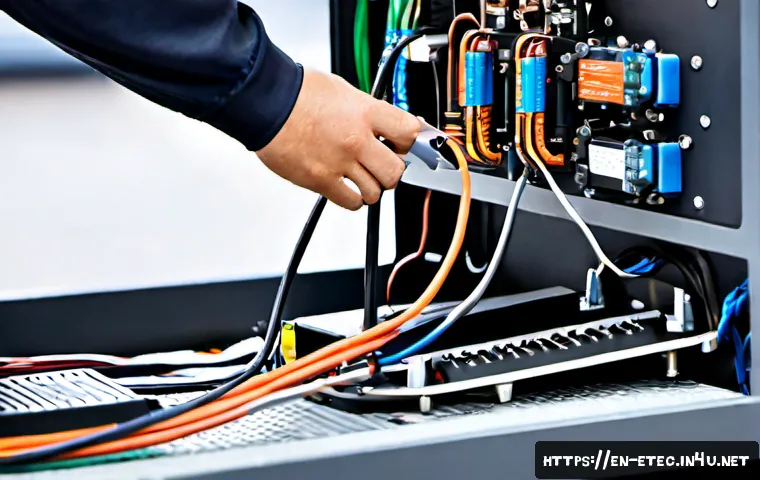
It can add unnecessary complexity when a stable, standalone electrical upgrade solves the operating need without new control or data requirements. For project owners, the key question is not whether a system is “smart,” but whether integration reduces operational uncertainty or supports a defined control objective.
Motor drives, power monitoring, industrial automation, battery storage, and connected equipment all rely on coordination between electrical and electronic layers.
That coordination can require an electrical designer, a controls-system integrator, a power-electronics specialist, or a multidisciplinary engineering firm.
Comparing scope, deliverables, testing plans, and commissioning responsibilities before requesting quotes helps prevent interface gaps.
At a Glance
- Electrical-electronic convergence combines power distribution with sensors, controllers, communications, and software.
- It is most useful when equipment operation, energy data, automation, or remote visibility must work together.
- Specialist support is often worth comparing when protection, power quality, control logic, or commissioning interfaces are involved.
| Project Type | Typical Expertise Needed | Expected Deliverables | Key Procurement Question | Specialist Quote? |
|---|---|---|---|---|
| Simple electrical component replacement | Electrical contractor or electrical designer | Equipment selection, installation scope | Does the replacement affect existing protection or wiring? | Usually only if site conditions are unclear |
| Motor drive and sensor retrofit | Electrical designer and controls integrator | Drive settings, wiring changes, control logic, commissioning plan | How will the drive, sensors, and existing controls interact? | Often worthwhile |
| Facility energy monitoring | Electrical and automation support | Metering layout, communications plan, dashboard integration | Which data is needed, and who owns the network interface? | Useful for multi-system projects |
| Battery storage or renewable interface | Power-electronics and electrical protection specialists | System coordination, protection review, controls interface, commissioning | How will battery controls, conversion equipment, and site infrastructure coordinate? | Strongly consider it |
What Electrical-Electronic Convergence Means in a Working System
Electrical-electronic convergence is the practical connection of electrical power equipment with sensing, control, communications, and software. The result is not simply more devices. It is a system in which information and control actions can affect how electrical equipment operates.
The Practical Link Between Power, Sensing, Control, Communications, and Software
A modern industrial control system may include power distribution, field sensors, programmable controllers, communications networks, and human-machine interfaces. Each layer has a different job. Electrical infrastructure delivers power. Sensors report conditions. Controllers execute logic. Networks move information. Software presents data or supports operating decisions.
The difficult part is usually the interface. A sensor may provide data correctly but use a communication protocol that the controller does not support. A drive may run a motor but create power-quality or electromagnetic compatibility concerns that were not addressed in the original scope. Good control-system integration defines these connections before installation begins.
When an Electrical-Only Approach Is Sufficient—and When Integrated Design Is Needed
An electrical-only approach may be sufficient for a contained replacement where operating behavior, protection arrangements, and wiring needs remain clear. Integrated design becomes more relevant when the project adds variable speed control, remote monitoring, automated sequencing, energy data, or communication with other systems.
Be cautious about adding a monitoring platform simply because data is available. Decide first what operating question the data must answer, who will review it, and what action follows an alert.
Three-Line Project Decision Summary
Use integrated design when electrical equipment must exchange data or coordinate actions with controls and software. Keep the scope simple when a standalone electrical solution meets the operating requirement. Request specialist support when multiple vendors share responsibility for power, automation, communications, and commissioning.
Common Convergence Use Cases Across Facilities and Equipment
Motor Control and Predictive Monitoring in Industrial Operations
Variable frequency drives control AC motor speed by changing supplied frequency and voltage. In an industrial setting, a drive can be paired with sensors and a programmable controller so that motor operation responds to process conditions rather than a fixed operating pattern.
Monitoring can also provide operating data to an industrial automation platform. However, the scope should address drive configuration, control logic, electrical protection, communications, and commissioning—not just the drive purchase. A drive retrofit that overlooks those interfaces can create avoidable deployment problems.
Smart Building Energy Management and Connected Electrical Panels
Connected electrical panels and power monitoring equipment can bring electrical usage information into a building management or energy management workflow. This may support visibility across loads, panels, and operating periods when the data is selected for a clear purpose.
The design questions are practical: Which circuits or loads need monitoring? How will meters communicate? Can the existing network support the connection? Who is responsible for software access and ongoing configuration? Monitoring hardware without a defined data plan can become an underused asset.
Battery Storage, EV Charging, and Renewable-Energy Interfaces
Battery energy storage projects require coordination among battery management systems, power conversion equipment, protection devices, controls, and site electrical infrastructure. Renewable-energy interfaces and EV charging projects can involve similar coordination challenges where electrical capacity, controls, and communications meet.
This is a system-level task. Project teams should identify protection responsibilities, control boundaries, operating modes, and commissioning procedures early. Local requirements, approvals, inspections, and design-signoff rules must be confirmed for the actual site and jurisdiction.
Connected Products That Combine Embedded Electronics With Power Design
Many connected products combine embedded electronics with a power design. The power section conditions or converts energy, while electronics support sensing, control, communication, or user interaction. Hardware, firmware, and electrical design decisions can affect one another.
A product team should avoid treating firmware, power electronics, and field wiring as separate late-stage tasks. Thermal limits, electromagnetic compatibility, fault conditions, and expected operating behavior should be considered across the full product architecture.
Compare Project Scope, Specialist Roles, and Value Before You Buy
Electrical Engineer vs. Controls Integrator vs. Power-Electronics Specialist
An electrical designer may focus on distribution, equipment connection, protection, grounding, drawings, and site electrical infrastructure. A controls-system integrator commonly focuses on sensors, programmable controllers, human-machine interfaces, communications, and automation logic. A power-electronics specialist may be especially relevant where conversion, conditioning, motor drives, chargers, UPS equipment, or renewable-energy interfaces are central.
For a project with several of these needs, a multidisciplinary engineering firm or a clearly coordinated consultant team can reduce handoff ambiguity. The appropriate licensed role and permitted scope of work vary by jurisdiction.
Comparison Table: Deliverables, Integration Risk, and Quote Questions
| Role | Typical Deliverables | Primary Integration Risk | Useful Quote Question |
|---|---|---|---|
| Electrical designer | Electrical drawings, load review, protection and grounding considerations | Control and communications scope left undefined | Which control-system interfaces are included or excluded? |
| Controls integrator | Control narrative, controller configuration, HMI, network integration | Existing electrical constraints overlooked | Who verifies power, panel capacity, and field wiring changes? |
| Power-electronics specialist | Converter or drive integration, operating coordination, technical review | Site protection and infrastructure assumptions not validated | What site data is required before equipment selection? |
| Full-service integrator | Coordinated design, procurement support, testing, commissioning | Unclear subcontractor boundaries | Who owns final interface testing and handover documentation? |
Cost Drivers: Site Surveys, Panel Changes, Software Integration, Testing, and Commissioning
Project value is not determined by component price alone. Scope can expand when site surveys reveal panel changes, wiring constraints, network limitations, thermal concerns, or protection coordination needs. Software integration, testing, documentation, training, and commissioning also require defined responsibilities.
When comparing engineering consulting or automation integration proposals, ask for a scope that separates equipment supply from design work, site investigation, programming, testing, and handover. This makes quote comparison more meaningful than comparing an initial total alone.
Design Workflow and Risks That Commonly Delay Deployment
Define Operating Requirements, Loads, Control Objectives, and Data Needs
Start with the operating requirement: what must the system do, under what conditions, and what should happen during a fault or communication loss? Identify electrical loads, required control objectives, sensor inputs, operator actions, and data outputs. A clear control narrative helps electrical and automation teams work from the same assumptions.
Check Power Quality, Protection, Grounding, Thermal Limits, and Electromagnetic Compatibility
Electrical protection and grounding requirements depend on the installation, equipment, local code, and fault conditions. Power quality, thermal limits, and electromagnetic compatibility also need review where drives, converters, chargers, or sensitive electronics are involved.
Do not assume that a product specification alone confirms suitability for a specific facility. Installation conditions and existing infrastructure matter.
Validate Network Protocols, Cybersecurity Responsibilities, and Fail-Safe Behavior
Communications protocols should be validated before procurement, especially where equipment from different suppliers must exchange information. Define who configures network access, who maintains credentials, and which team owns cybersecurity responsibilities.
Fail-safe behavior deserves equal attention. The project should state what equipment does if a sensor fails, a controller stops, or communications are unavailable.
Avoid Under-Scoping Testing, Documentation, Training, and Handover
Many integration failures appear during commissioning because testing procedures were never defined. Include acceptance checks for power operation, field signals, control logic, alarms, communications, and operator interfaces. Ask for final drawings, configuration records, and training responsibilities as part of the handover scope.
Choosing the Right Approach for Different Project Scenarios
Small Retrofit: Monitoring or Drive Upgrade Without a Full Control-System Replacement
A small retrofit may only need targeted power monitoring equipment or a variable frequency drive with limited control changes. Keep the scope focused, but confirm wiring, protection, grounding, control compatibility, and commissioning needs. A full automation platform may not be necessary if local operation meets the requirement.
Facility Modernization: Integrating Switchgear, Automation, and Energy Data
A facility modernization project can connect switchgear, automation, and energy data across several existing systems. This usually benefits from an integration plan that maps electrical assets, sensors, controller interfaces, communications pathways, and operator responsibilities. A coordinated engineering and industrial automation quote can clarify those boundaries.
New Equipment or Product Development: Coordinating Hardware, Firmware, and Compliance Work
For new equipment, power hardware, embedded electronics, firmware, and field connections should be reviewed as one operating system. Early coordination can reveal conflicts between power design, thermal performance, communication needs, and expected control behavior before deployment.
High-Consequence Systems: When Independent Review and Formal Sign-Off May Be Appropriate
Where failure consequences are significant, an independent technical review and formal design sign-off may be appropriate. The required professional licensing, authority, and permitted scope vary by location. Confirm applicable local requirements with the relevant qualified professionals and approval bodies rather than relying on general guidance.
Selection Criteria and Comparison Summary
Before choosing an engineering consultant, automation integrator, or equipment proposal, check whether the scope identifies: the operating objective, electrical and control boundaries, communications responsibilities, testing and commissioning steps, and documentation ownership. Compare proposals by included deliverables, assumptions, exclusions, and handover support—not only by the initial price. Decide whether your internal team can manage the interfaces or whether a specialist consultant or full-service integrator should coordinate them. For detailed capabilities and included services, review the provider’s official scope and technical documentation.
In Closing
Electrical-electronic convergence is most useful when power equipment must respond to information, automation logic, or connected operational systems. The main project risk is rarely one device alone; it is the gap between devices, teams, and responsibilities. A structured scope and a realistic commissioning plan can make specialist support easier to evaluate. For complex systems, confirm site-specific technical and regulatory requirements before final design or procurement.
Useful Information to Keep in Mind
Power electronics are used to convert, control, and condition electrical energy in applications such as motor drives, battery chargers, renewable-energy interfaces, and uninterruptible power systems.
Variable frequency drives adjust AC motor speed by changing supplied frequency and voltage.
Commissioning is not only a final startup activity; it should be planned while requirements, interfaces, and acceptance checks are being defined.
Important Considerations
This overview does not determine equipment suitability, code compliance, project cost, timeline, energy savings, or return on investment for a specific site. Protection, grounding, licensing, approvals, inspections, and permitted design scope depend on the installation and jurisdiction. Use site-specific assessment and appropriately qualified professional support where required.
Frequently Asked Questions
Q1. When should a business hire an electrical engineer instead of a controls-system integrator?
A1. Consider electrical design support when the project centers on power distribution, equipment connections, protection, grounding, or site electrical infrastructure. Consider a controls-system integrator when sensors, programmable controllers, communications, HMI functions, and automation logic are the main scope. Projects with both sets of issues may need coordinated specialist support.
Q2. What factors increase the cost of an electrical and electronics integration project?
A2. Cost drivers can include site surveys, panel modifications, electrical infrastructure changes, software integration, communications work, testing, documentation, training, and commissioning. Actual costs depend on the site, equipment, scope boundaries, and project requirements.
Q3. Are smart electrical monitoring and automation upgrades suitable for small facilities?
A3. They can be suitable when the facility has a clear need for operational visibility, control, or energy data. A small facility may benefit from a focused monitoring or drive upgrade without replacing the full control system. Review the data purpose, installation requirements, and ongoing responsibility before selecting equipment or services.