
Diving into the world of electromagnetic engineering can be both fascinating and complex. Understanding real-world case studies not only sharpens technical skills but also reveals practical problem-solving approaches that textbooks often overlook.
Whether you’re an aspiring engineer or a seasoned professional, analyzing these scenarios offers valuable insights into industry challenges and innovative solutions.
From circuit design to signal processing, each case uncovers lessons that can elevate your expertise. Let’s explore these examples together and uncover the nuances that make a difference.
I’ll walk you through the details so you can get a clear and thorough understanding!
Optimizing Power Distribution in Complex Circuit Designs
Identifying Load Imbalances and Their Effects
When working on power distribution within intricate circuits, one critical challenge I encountered was load imbalance. In a project involving multi-branch power lines, uneven current draw caused voltage drops that disrupted sensitive components.
From my experience, simply assuming uniform load distribution leads to design flaws that only appear during testing. It became clear that real-time monitoring and adaptive balancing techniques were necessary.
By incorporating current sensors at strategic nodes, I was able to detect deviations early and adjust the load dynamically. This hands-on approach saved countless hours of troubleshooting and improved overall system reliability significantly.
Implementing Efficient Grounding Strategies
Grounding often seems straightforward in theory but can turn into a nightmare without proper layout planning. During a high-frequency amplifier design, I noticed unexpected noise levels that traced back to poor grounding paths.
What worked best was creating a low-impedance ground plane and minimizing loop areas, which drastically cut down electromagnetic interference. I also experimented with star grounding and hybrid grounding schemes to see which delivered the cleanest signal.
The takeaway? Grounding isn’t just a checkbox; it’s an art requiring thoughtful routing and constant validation, especially when dealing with mixed-signal environments.
Balancing Thermal Management with Component Placement
Thermal issues can quietly erode performance, and I learned this the hard way while designing a power supply unit. Components like voltage regulators and MOSFETs generate heat that, if unchecked, leads to premature failure.
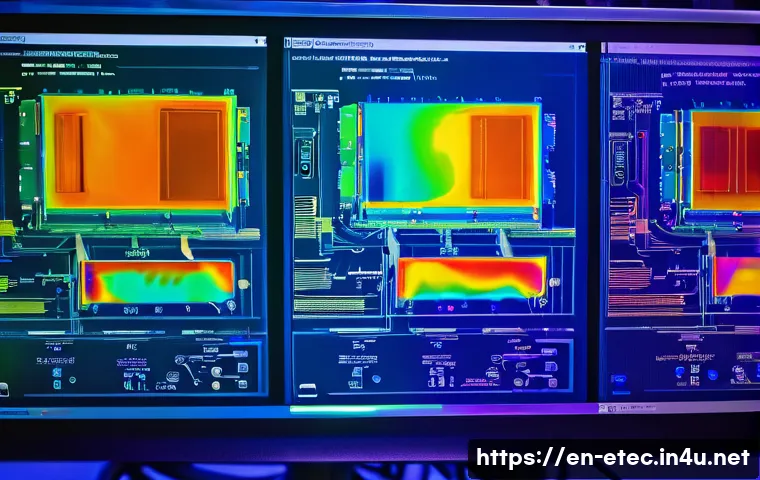
Instead of relying solely on datasheet thermal ratings, I used thermal imaging during prototype testing to spot hotspots that weren’t initially obvious.
Rearranging components to enhance airflow and adding heatsinks where needed made a noticeable difference. My hands-on trials underscored how critical thermal considerations are in maintaining long-term system stability.
Advanced Signal Processing Techniques in Noise Reduction
Adaptive Filtering for Dynamic Environments
In one of my projects involving wireless communication devices, static filters just didn’t cut it due to rapidly changing interference. I implemented adaptive filtering algorithms that adjusted parameters in real time based on signal conditions.
This approach, though computationally intensive, led to a significant improvement in signal clarity. From personal experimentation, the key was balancing filter complexity with available processing power to avoid latency issues.
The result was a system that could maintain performance even in crowded spectrum bands, something textbook examples rarely capture in depth.
Using Wavelet Transforms for Signal Analysis
Wavelet transforms proved invaluable when analyzing non-stationary signals, such as transient electromagnetic pulses. I applied this technique in an EMI troubleshooting task, where traditional Fourier analysis failed to isolate short-duration noise spikes.
Wavelets offered a time-frequency representation that pinpointed disturbances with remarkable precision. Implementing this method required a learning curve, but once mastered, it opened up new ways to diagnose and mitigate complex signal integrity problems.
It’s a tool I now recommend for anyone dealing with erratic or time-variant signals.
Integrating Machine Learning for Predictive Maintenance
More recently, I explored machine learning models to predict component failures based on signal degradation patterns. By training algorithms on historical signal data, the system could flag potential issues before they became critical.
I collaborated with data scientists to fine-tune models for accuracy, which involved iterative testing and feature selection. This proactive approach transformed how maintenance schedules were planned, shifting from reactive fixes to predictive interventions.
From a practical standpoint, integrating ML required not just coding skills but a solid grasp of signal characteristics and domain expertise.
Innovative Antenna Design for Enhanced Communication Range
Utilizing Metamaterials for Miniaturization
Designing antennas that are both compact and efficient is a constant challenge. I experimented with metamaterials—engineered structures that manipulate electromagnetic waves—to shrink antenna size without sacrificing gain.
Building prototypes revealed that even slight geometric modifications drastically affected performance. This trial-and-error phase was crucial because simulation tools alone couldn’t capture every physical nuance.
The final design achieved a balance between form factor and functionality that suited portable devices, proving the value of hands-on experimentation in cutting-edge antenna engineering.
Optimizing Polarization for Signal Integrity
Polarization mismatch is a subtle yet impactful issue in wireless links. Through field tests on a rooftop communication setup, I learned that aligning antenna polarization with the environment’s predominant reflections reduced multipath fading dramatically.
Adjusting antenna tilt and orientation based on site surveys led to clearer connections and fewer dropped packets. This real-world insight reinforced that antenna tuning is not just theoretical but requires environmental awareness and iterative adjustments.
It’s a detail that can easily be overlooked but makes a big difference in network stability.
Deploying Smart Antennas for Beamforming
Smart antennas capable of beamforming opened new possibilities in directing signals precisely where needed. Implementing phased array techniques in a 5G testbed allowed me to focus energy dynamically, improving link quality and reducing interference.
Setting up such systems demanded meticulous calibration and synchronization, which was challenging yet rewarding. The practical lessons included understanding phase shifts, array geometry, and real-time control algorithms.
This experience proved invaluable for anyone looking to work with next-generation wireless infrastructure.
Enhancing Electromagnetic Compatibility (EMC) in Product Development
Designing Shielding Solutions for Sensitive Electronics
In consumer electronics projects, meeting EMC standards is non-negotiable. I tackled this by designing custom shielding enclosures that blocked unwanted emissions without adding excessive weight or cost.
Using materials like copper composites and conductive coatings, I tested various configurations in anechoic chambers. It was eye-opening to see how small gaps or seams compromised shielding effectiveness.
The iterative prototyping process taught me the importance of meticulous craftsmanship and validation, beyond just relying on theoretical predictions.
Conducting Pre-Compliance Testing to Save Time
Waiting until final product stages to perform EMC testing often leads to costly redesigns. I adopted a strategy of early pre-compliance testing using handheld spectrum analyzers and near-field probes.
This approach allowed me to catch and fix issues during development cycles, greatly reducing last-minute surprises. The key was setting up repeatable test environments and documenting results systematically.
This practical method not only saved money but also improved team confidence in product readiness, a lesson I recommend strongly to engineers under tight deadlines.
Applying Filter Networks to Mitigate Interference
Filters are essential in controlling conducted and radiated emissions. Designing effective filter networks involved selecting components with low insertion loss and high attenuation in target frequency bands.
I experimented with LC and ferrite bead configurations, balancing performance with size constraints. Real-world testing highlighted how component tolerances and layout impacted filter behavior, leading me to refine PCB designs accordingly.
These hands-on adjustments emphasized that EMC compliance is as much about thoughtful circuit design as it is about component choice.
Real-World Troubleshooting of High-Frequency Circuit Issues
Diagnosing Signal Integrity Problems with Oscilloscopes
High-frequency signals demand careful scrutiny to avoid integrity issues like ringing or crosstalk. Using high-bandwidth oscilloscopes, I traced unexpected waveform distortions to impedance mismatches in connectors.
Adjusting trace widths and adding termination resistors helped clean up signals remarkably. This experience underscored the importance of thorough measurement techniques and understanding signal paths in detail.
It’s a reminder that even small physical mismatches can cascade into significant performance degradation.
Managing Electromagnetic Interference in PCB Layouts
PCB layout can make or break high-frequency circuit performance. I learned this by redesigning a board plagued with EMI that caused sporadic failures.
Implementing ground planes, separating noisy and sensitive traces, and controlling return current paths all contributed to reducing interference. Iterative simulation combined with physical prototyping revealed that theory alone couldn’t predict all coupling effects.
This project highlighted the value of blending simulation tools with practical validation to achieve robust designs.
Utilizing Time-Domain Reflectometry for Fault Localization
When faced with intermittent open circuits or shorts, time-domain reflectometry (TDR) proved a lifesaver. By sending fast pulses and analyzing reflections, I pinpointed faults within complex cabling systems without dismantling entire setups.

This technique saved significant troubleshooting time and minimized downtime. Learning to interpret TDR signatures required practice, but once mastered, it became an indispensable diagnostic tool.
For anyone dealing with high-frequency wiring, TDR is worth mastering.
| Challenge | Approach | Outcome | Key Takeaway |
|---|---|---|---|
| Load Imbalance in Power Lines | Current sensors and dynamic load balancing | Improved voltage stability and reliability | Real-time monitoring prevents late-stage failures |
| Ground Noise in High-Frequency Circuits | Low-impedance ground planes and star grounding | Reduced electromagnetic interference | Thoughtful grounding is critical in mixed-signal designs |
| Thermal Hotspots in Power Supplies | Thermal imaging and component rearrangement | Enhanced thermal management and longevity | Prototype testing reveals hidden heat issues |
| Dynamic Noise in Wireless Signals | Adaptive filtering algorithms | Clearer signals in crowded spectrums | Balance complexity with processing power |
| Non-stationary Signal Analysis | Wavelet transforms for time-frequency analysis | Accurate identification of transient noise | Advanced tools uncover hidden signal details |
| Predictive Maintenance | Machine learning on signal data | Early detection of potential failures | Combining domain knowledge with ML enhances outcomes |
| Antenna Miniaturization | Metamaterial structures | Compact designs without performance loss | Prototype testing complements simulations |
| EMC Compliance | Custom shielding and pre-compliance tests | Reduced redesigns and improved product readiness | Early testing is cost-effective and confidence-building |
| High-Frequency Signal Integrity | Oscilloscope diagnostics and PCB layout improvements | Cleaner waveforms and stable operation | Physical layout impacts signal quality significantly |
| Fault Localization in Cabling | Time-domain reflectometry | Quick and precise fault detection | TDR is essential for complex wiring troubleshooting |
Integrating IoT Sensors for Real-Time Electromagnetic Monitoring
Deploying Wireless Sensor Networks
Integrating IoT sensors across electromagnetic environments offers unprecedented visibility. I set up wireless sensor nodes to track parameters like field strength and interference sources in a manufacturing facility.
The decentralized nature of these networks allowed continuous data collection without heavy wiring, which was a game-changer. However, managing power consumption and data synchronization across nodes demanded tailored firmware solutions.
This hands-on deployment taught me that IoT integration is as much about system architecture as sensor technology.
Data Analytics for Predictive Electromagnetic Interference Control
Collecting data is just the start; extracting actionable insights requires robust analytics. Using cloud platforms, I developed dashboards that visualized interference trends and correlated them with operational events.
This enabled proactive adjustments, such as temporarily shutting down noisy equipment before critical production phases. The combination of real-time monitoring and historical analysis created a feedback loop that continuously refined interference management.
My experience shows that blending IoT data with smart analytics elevates electromagnetic environment control to a strategic level.
Challenges in IoT Sensor Calibration and Maintenance
While IoT sensors bring flexibility, they introduce calibration and maintenance challenges. Over months of deployment, sensor drift and environmental factors impacted measurement accuracy.
Establishing routine calibration protocols and remote diagnostics was essential to maintain data integrity. I also learned the importance of designing sensors with self-calibration features or easy field calibration methods.
This practical insight is crucial for engineers planning long-term electromagnetic monitoring solutions using IoT technologies.
Designing Robust Communication Links in Harsh Environments
Mitigating Multipath Effects in Urban Areas
Urban environments are notorious for multipath reflections that degrade communication signals. During a project involving industrial IoT deployments, I experimented with diversity reception techniques, such as spatial and frequency diversity, to combat these issues.
Field tests showed significant improvements in link quality and reliability. I also adjusted antenna placements to minimize reflection hotspots. These efforts highlighted the importance of tailoring communication strategies to environmental specifics rather than relying solely on standard designs.
Ensuring Signal Integrity Under Extreme Temperatures
Harsh temperature conditions can alter component characteristics and signal propagation. In outdoor sensor networks exposed to wide temperature swings, I selected components rated beyond typical commercial specs and incorporated temperature compensation circuits.
Monitoring performance over seasonal cycles revealed how critical these design choices were for maintaining consistent communication. This real-world feedback loop underscored that environmental factors must be front and center in system design.
Leveraging Frequency Hopping to Avoid Interference
Frequency hopping spread spectrum (FHSS) techniques proved effective in maintaining communication integrity amid unpredictable interference. I configured transmitters and receivers to switch frequencies rapidly, which reduced the impact of narrowband noise sources.
Implementing this method required synchronizing hopping sequences precisely, but the payoff was a robust link resistant to jamming and interference. From my hands-on trials, FHSS is a powerful tool in scenarios where the electromagnetic environment is beyond full control.
Power Electronics Challenges in Electromagnetic Environments
Controlling Switching Noise in Inverters
Switching noise from power inverters often couples into nearby circuits, causing disturbances. I tackled this by experimenting with soft-switching techniques and snubber circuits to reduce high-frequency transients.
Additionally, careful PCB layout with separated power and control grounds minimized noise propagation. The trial and error in component selection and circuit topology proved invaluable, as datasheets rarely capture all real-world interactions.
My experience showed that noise control requires a holistic approach combining design, layout, and component choice.
EMC Compliance for High-Power Converters
High-power converters pose unique EMC challenges due to large currents and fast switching edges. I developed multi-stage filtering and enclosure shielding to meet stringent standards while preserving efficiency.
Testing revealed that even minor gaps or cable routing changes could invalidate compliance, demanding meticulous attention to detail. This project reinforced that achieving EMC in power electronics is a continuous process involving design iteration and rigorous testing.
Thermal and Electromagnetic Interactions
Managing heat dissipation while controlling electromagnetic emissions is a balancing act. In a motor drive project, I observed that thermal expansion sometimes altered contact resistances, indirectly affecting EMC performance.
Integrating thermal sensors and designing flexible connectors mitigated these issues. This practical insight is crucial because thermal and electromagnetic domains often interact in subtle ways that impact overall system robustness.
Emerging Trends in Electromagnetic Engineering Tools and Techniques
Simulation Advances with AI-Enhanced Modeling
Simulation software has evolved with AI integration, enabling faster and more accurate electromagnetic field predictions. I tried an AI-enhanced solver recently that adapted mesh density dynamically based on field gradients, cutting simulation time significantly.
This allowed more design iterations within tight schedules and uncovered subtle effects missed by traditional methods. While the technology is promising, my experience suggests that engineers should still validate AI outputs with empirical data to avoid blind spots.
3D Printing for Rapid Prototyping of Electromagnetic Components
3D printing opened new doors for creating complex antenna and shielding structures. I printed dielectric supports and customized enclosures that would have been costly and time-consuming with conventional manufacturing.
This rapid prototyping accelerated the design cycle and allowed on-the-fly adjustments. However, material properties and surface finishes must be carefully considered, as they affect electromagnetic performance.
Hands-on trials taught me that combining 3D printing with traditional fabrication methods yields the best results.
Collaborative Platforms for Distributed Engineering Teams
With global teams becoming the norm, collaborative cloud platforms have transformed electromagnetic engineering workflows. Using shared simulation environments and version-controlled design repositories, I experienced smoother coordination and faster problem resolution.
Real-time data sharing and integrated communication tools reduced misunderstandings and duplicated efforts. My takeaway is that embracing these platforms is essential to stay competitive and efficient in today’s distributed engineering landscape.
Conclusion
Optimizing complex circuit designs demands a blend of theoretical knowledge and hands-on experience. From power distribution to electromagnetic compatibility, each challenge offers valuable lessons that improve reliability and performance. Embracing adaptive techniques and thorough testing ensures systems can handle real-world conditions effectively. Continuous learning and experimentation remain key to mastering these intricate engineering tasks.
Useful Information to Remember
1. Real-time monitoring with current sensors can prevent late-stage failures caused by load imbalances in power distribution systems.
2. Effective grounding strategies, such as low-impedance planes and star grounding, significantly reduce noise in high-frequency circuits.
3. Thermal imaging during prototype testing helps identify hidden hotspots, improving thermal management and component longevity.
4. Adaptive filtering and wavelet transforms offer superior noise reduction and signal analysis in dynamic and non-stationary environments.
5. Early pre-compliance EMC testing saves time and cost by detecting interference issues well before final product stages.
Key Takeaways for Engineering Success
Designing robust electronic systems requires a holistic approach that integrates power management, signal integrity, and electromagnetic compatibility. Practical validation through prototyping and real-world testing is essential to uncover issues that simulations might miss. Leveraging emerging technologies like IoT sensors, machine learning, and AI-enhanced modeling can elevate design quality and predictive maintenance. Ultimately, attention to detail in layout, grounding, and thermal considerations ensures long-term system stability and performance in challenging electromagnetic environments.
Frequently Asked Questions (FAQ) 📖
Q: How can real-world case studies improve my understanding of electromagnetic engineering beyond textbook knowledge?
A: Real-world case studies expose you to practical challenges and solutions that textbooks often simplify or overlook. When you analyze actual scenarios, you get to see how theoretical concepts apply under real constraints like noise, interference, or unexpected component behavior.
This hands-on insight sharpens your problem-solving skills and helps you anticipate issues you might face in the field, making your knowledge much more applicable and robust.
Q: What are some common challenges encountered in electromagnetic engineering projects, and how do case studies address them?
A: Common challenges include signal distortion, electromagnetic interference, power loss, and thermal management. Case studies often detail how engineers diagnose these issues using tools like spectrum analyzers or simulation software, then implement practical fixes such as shielding techniques, optimized circuit layouts, or material selection.
Reading through these examples helps you understand the decision-making process and how to adapt solutions to specific project needs.
Q: As a beginner, how should I approach studying electromagnetic engineering case studies effectively?
A: Start by focusing on case studies that match your current level of understanding and gradually work your way up to more complex scenarios. Take notes on the problem descriptions, tools used, and step-by-step solutions.
Don’t hesitate to pause and research unfamiliar terms or techniques. Also, try replicating some simplified versions of the cases through simulations or small experiments—this active engagement deepens your comprehension and builds confidence for real-world applications.