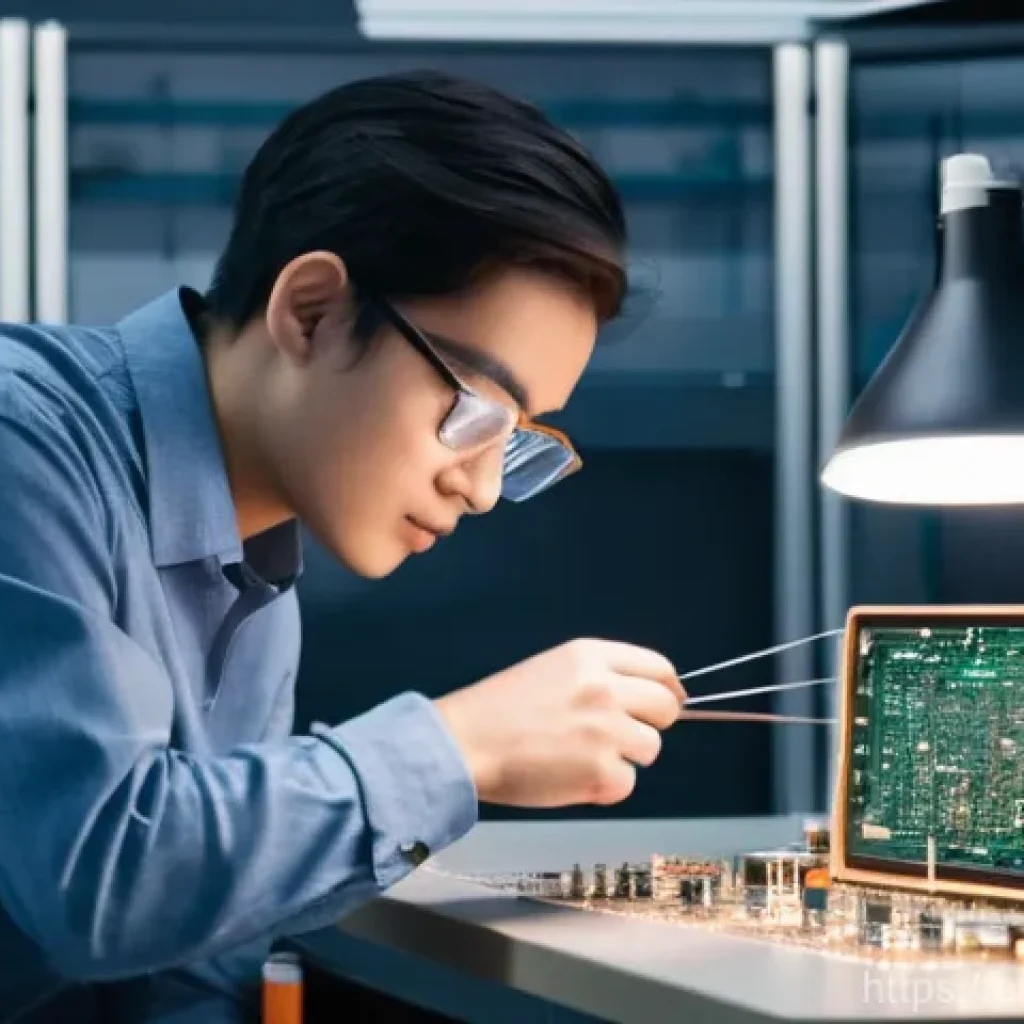
The world of electronics is absolutely buzzing right now, and if you’re anything like me, you’re constantly amazed by how fast things are evolving. From the latest smart devices powered by AI and IoT to the intricate systems driving Industry 4.0, being an electronic technician today means being at the forefront of incredible innovation.
I’ve personally experienced the thrill of diving deep into complex circuits and troubleshooting cutting-edge tech, but I also know that keeping up with certifications and finding the *right* study materials can feel like a whole journey in itself.
It’s not just about knowing the basics anymore; it’s about understanding how things like advanced electronic materials and even augmented reality tools are reshaping our everyday work.
If you’re looking to ace your electronic technician exams or simply sharpen your skills to stay ahead in this dynamic field, you’re in the perfect spot.
Let’s uncover the most effective strategies and resources to help you succeed!
The Evolving World of Electronic Tech: Staying Ahead of the Curve

Why Continuous Learning is Your Superpower
Honestly, if there’s one thing I’ve learned in my years elbow-deep in circuits and code, it’s that standing still is simply not an option in electronics. The pace of innovation is breathtaking, truly. I remember feeling completely overwhelmed when I first started, trying to wrap my head around basic soldering, let alone the complex microcontrollers we use today. But what kept me going, and what still drives me, is that insatiable curiosity and the commitment to always learn something new. It’s like a superpower, really. Every new piece of tech, every updated standard, every novel approach to problem-solving, is an opportunity to expand your mental toolkit. I’ve personally seen colleagues who got comfortable with older technologies slowly get left behind, not because they weren’t smart, but because they stopped actively seeking out new knowledge. This isn’t just about reading textbooks anymore; it’s about getting hands-on with new dev boards, experimenting with different programming languages for embedded systems, and even diving into online communities to see what challenges others are tackling. Embrace it, because this continuous journey is what keeps you relevant and, frankly, makes the work exciting.
Spotting the Next Big Thing: Trends to Watch
Keeping an eye on the horizon isn’t just a fun pastime; it’s a strategic move for any electronic technician. I often get asked, “What’s the next big thing?” And while I don’t have a crystal ball, I can tell you what I’m seeing and what I’m personally investing my time in learning. Right now, the convergence of AI and IoT is creating some truly mind-boggling applications, from smart factories that practically run themselves to intelligent home systems that anticipate your needs. I’ve been experimenting with low-power AI at the edge – thinking about how tiny sensors can make smart decisions without constant cloud communication. Then there’s the whole realm of advanced electronic materials. We’re talking about flexible electronics, self-healing circuits, and even organic semiconductors that could revolutionize everything from medical devices to renewable energy. These aren’t just academic concepts; they are already shaping prototypes and making their way into consumer products. For us technicians, it means getting comfortable with new fabrication methods, diagnostic tools tailored for these materials, and understanding how they interact with traditional components. It’s a brave new world out there, and staying curious about these trends keeps your skills sharp and your career trajectory pointing upwards.
Cracking the Code: Acing Your Certification Exams
Crafting a Study Plan That Sticks
Look, I’ve been there. Staring at a mountain of study materials, feeling like I’ll never absorb it all. Passing those certification exams for an electronic technician license isn’t just about raw intelligence; it’s about a smart, consistent study plan. What worked wonders for me was breaking it down. Instead of trying to cram everything, I’d allocate specific topics to specific days. For instance, Mondays might be dedicated to digital electronics, Tuesdays to analog, and Wednesdays to power systems. I personally found that using a physical planner, rather than just digital notes, really helped me visualize my progress and hold myself accountable. And here’s a tip I swear by: don’t just passively read. Actively engage with the material. If you’re studying circuit analysis, sketch out circuits, calculate values, and try to predict outcomes before looking at the solution. I’ve even explained concepts out loud to my very patient cat – if I can explain it simply enough for her (or myself!), I know I’ve truly understood it. Consistency, even if it’s just an hour a day, beats sporadic marathon sessions every time. Trust me on this, your brain needs that regular reinforcement.
The Art of Practice Tests: What I Learned
If there’s one secret weapon I can recommend for exam preparation, it’s practice tests. When I was preparing for my advanced technician certification, I took every practice test I could get my hands on. It wasn’t just about memorizing answers, though. It was about understanding the *structure* of the questions, identifying my weak spots, and getting comfortable with the exam environment. I’d treat each practice test like the real thing: no distractions, timed, and with a proper answer sheet. Afterward, I wouldn’t just look at the score. I’d go through every single question, especially the ones I got wrong or struggled with. Why was option B better than C? What concept did I misunderstand? This detailed review process was far more valuable than simply taking the test. I even started noticing patterns in how certain topics were tested, which helped me focus my final study efforts. Plus, it’s a huge confidence booster. Walking into that exam room knowing you’ve already faced similar challenges and overcome them? Priceless. It truly takes the edge off that pre-exam nervousness.
Mindset Matters: Overcoming Exam Day Jitters
Okay, let’s talk about the elephant in the room: exam day jitters. I don’t care how prepared you are; a little anxiety is normal. I used to get so worked up I’d forget simple formulas! What changed for me was realizing that a calm mind performs better. My personal routine now involves a good night’s sleep (easier said than done, I know!), a solid breakfast, and arriving early at the test center. I also make sure I have all my allowed materials – pencils, calculator, whatever the rules permit – organized and ready to go. Before the exam starts, I take a few deep breaths. Seriously, just five slow, deep breaths can make a world of difference in settling your nerves. And during the exam, if I hit a tough question, I don’t panic. I just mark it and move on. Coming back to it with a fresh perspective often reveals the solution. Remember, this exam isn’t the sole arbiter of your worth as a technician. It’s a stepping stone. Go in prepared, stay calm, and trust in the hard work you’ve put in. You’ve got this!
Your Toolkit, Your Power: Essential Gear for Every Electronic Technician
My Must-Have Bench Essentials
Alright, let’s get practical. Every electronic technician worth their salt knows their tools are an extension of their mind. When I first started, I made the mistake of buying cheap tools that quickly broke or didn’t perform well, leading to endless frustration. Learning from experience, I now advocate for investing in quality where it counts. My absolute bench essentials start with a reliable multimeter. I’ve had my Fluke for years, and it’s a workhorse – accurate, durable, and packed with features. A good soldering station is non-negotiable, too. I prefer one with temperature control; it saves components and frustration. Then there’s the humble but mighty set of precision screwdrivers and tweezers; you wouldn’t believe how often those come in handy for tiny components. Don’t forget a solid pair of wire strippers and cutters. Over the years, I’ve also added a decent power supply and an oscilloscope to my home lab, which really lets me dive deep into signal analysis. These aren’t just gadgets; they’re the foundations upon which all your troubleshooting and building efforts rest. Treat your tools well, and they’ll treat you well.
The Digital Edge: Software and Diagnostic Tools
While physical tools are crucial, the modern electronic technician’s toolkit isn’t complete without powerful software and digital diagnostic tools. I’ve spent countless hours hunched over schematics, but nowadays, a good portion of my diagnostic work happens on a screen. For circuit simulation, I personally lean on tools like LTSpice for analog circuits or some of the more robust professional packages for complex mixed-signal designs. Being able to virtually test a circuit before even laying down a trace saves so much time and material. Then there are the firmware debuggers and IDEs for embedded systems; these are absolutely vital if you’re working with microcontrollers. I’ve found that getting proficient with one or two powerful debugging environments can drastically speed up your troubleshooting process. And let’s not forget about documentation software, version control for code, and even project management tools. These digital assets help you manage complex projects, collaborate with teams, and keep track of your progress, turning what could be a messy endeavor into a streamlined process. Embracing the digital side of our field isn’t just about being tech-savvy; it’s about being efficient and effective.
Investing Smart: Tools That Pay for Themselves
When you’re building out your toolkit, it’s easy to get carried away. I’ve certainly been there, eyeing every shiny new gadget. But the key is to invest smart, focusing on tools that offer long-term value and genuinely enhance your productivity. Think about what tasks you perform most frequently and where you encounter the most bottlenecks. For me, a high-quality magnification lamp with good lighting was a game-changer for intricate soldering and inspection, preventing eye strain and improving accuracy. Another example is a desoldering station. While a braid works, a dedicated station makes component removal so much cleaner and faster, especially for multi-pin ICs. These might seem like bigger upfront costs, but they save you time, reduce errors, and ultimately make your work more enjoyable and less fatiguing. It’s about recognizing that your time is valuable, and tools that help you work more efficiently are investments, not just expenses. I always recommend starting with the absolute essentials and then gradually adding specialized tools as your needs evolve and your budget allows.
More Than Circuits: Cultivating Soft Skills for Professional Growth
Communicating Complex Ideas Simply
This might sound surprising coming from an electronics enthusiast, but one of the most powerful skills I’ve honed over the years isn’t about resistors or capacitors; it’s about communication. We often deal with incredibly complex technical concepts, but if you can’t explain that problem or solution to a client, a manager, or even a less technical colleague in a way they understand, then your brilliant technical insight falls flat. I’ve personally experienced the frustration of trying to articulate a nuanced circuit issue to a project manager who only cared about the deadline, and it taught me the importance of tailoring my message. It’s about translating jargon into plain English, using analogies, and focusing on the ‘what it means for you’ rather than just the ‘how it works.’ I even practice this by trying to explain my day’s work to friends who aren’t in tech – if they can grasp the gist, I know I’m on the right track. This skill doesn’t just make you a better team player; it elevates your professional presence and makes you an invaluable asset.
Troubleshooting Beyond the Board: Problem-Solving in Teams
Working as an electronic technician isn’t always a solo endeavor; often, you’re part of a larger team, and that means your problem-solving skills need to extend beyond just the circuit board. I’ve found that some of the trickiest problems aren’t technical bugs, but communication breakdowns or organizational hiccups. When a project hits a snag, it’s easy to point fingers, but a truly effective technician knows how to troubleshoot the *process* as much as the product. This means actively listening to teammates, asking clarifying questions, and offering solutions collaboratively. For instance, if a design isn’t meeting specifications, it could be a component issue, a manufacturing error, or even a misunderstanding of the initial requirements. My approach is always to gather all the facts, consider different perspectives, and then work with the team to systematically narrow down the root cause. This holistic approach to problem-solving not only resolves immediate issues but also strengthens team dynamics and prevents future recurrences. It’s a skill that takes practice, but it’s incredibly rewarding.
The Art of Adaptability in a Fast-Paced Field
If there’s one constant in the electronics industry, it’s change. And being adaptable is, frankly, your ticket to survival and thriving. I’ve seen technologies emerge, evolve, and become obsolete in what feels like the blink of an eye. Remember when certain memory types were all the rage, and now they’re niche? Or how quickly surface-mount components took over through-hole? My journey has been a testament to the importance of being open to new methods, new tools, and even new paradigms. It’s not about being a master of everything, but about being willing to learn and unlearn. I remember a project where we had to pivot mid-stream to an entirely different microcontroller family due to supply chain issues. It was stressful, but embracing the challenge, quickly learning the new architecture, and adapting our code base saved the project. This flexibility isn’t just about technical shifts; it’s also about adapting to different work environments, team structures, and project priorities. Those who can roll with the punches, learn quickly, and pivot gracefully are the ones who consistently stand out and keep their careers exciting.
Diving Deep into Cutting-Edge Tech: AI, IoT, and Advanced Materials
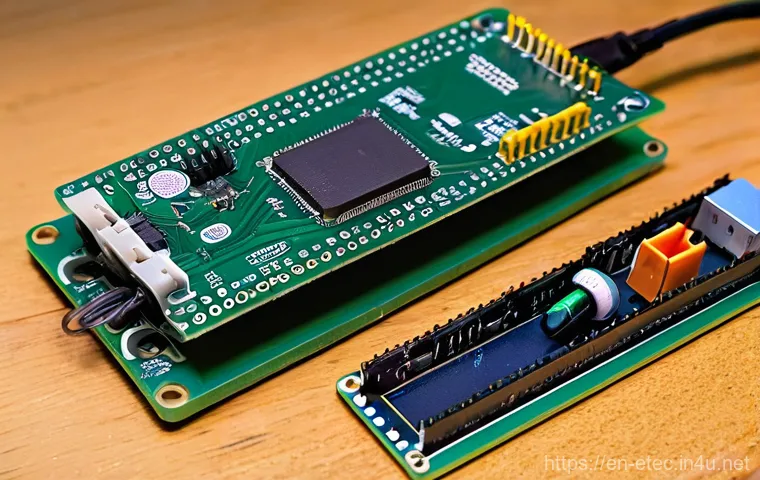
The AI Revolution: What It Means for Technicians
Artificial Intelligence used to feel like something out of a sci-fi movie, but now it’s intrinsically woven into the fabric of everyday electronics. For us electronic technicians, this isn’t just a buzzword; it’s a fundamental shift in how we design, troubleshoot, and interact with systems. I’ve personally been exploring how AI is making diagnostic tools smarter, allowing for predictive maintenance in industrial settings, and even optimizing energy consumption in smart devices. It means we need to understand not just the hardware, but also the software layers, machine learning models, and data pipelines that drive these intelligent systems. I’ve found it incredibly useful to grasp the basics of popular AI frameworks and understand how AI-specific hardware, like GPUs or specialized AI accelerators, integrate into electronic designs. It’s not about becoming a data scientist overnight, but about knowing enough to interface with AI engineers, understand the requirements for AI-enabled hardware, and troubleshoot systems where AI plays a critical role. This deep dive into AI capabilities is genuinely exciting and absolutely essential for staying relevant.
Connecting the Dots: Understanding IoT Ecosystems
The Internet of Things, or IoT, has exploded, and it’s brought with it a whole new set of challenges and opportunities for electronic technicians. It’s no longer just about a single device; it’s about an entire ecosystem of interconnected sensors, actuators, gateways, and cloud platforms. I’ve spent a lot of time trying to debug issues in distributed IoT systems, and I can tell you, it’s a different beast than working on a standalone circuit. You need to understand network protocols, data security, power management for remote sensors, and how everything communicates. For me, a big revelation came when I realized how crucial understanding basic networking concepts was – things like TCP/IP, MQTT, and even cellular communication for wide-area IoT. I’ve personally set up small home IoT projects just to get a feel for the entire stack, from programming a tiny ESP32 to pushing data to a cloud dashboard. This hands-on experience has been invaluable in truly grasping how these complex systems function as a whole, allowing me to troubleshoot far more effectively than if I just focused on individual components. It’s all about connecting those digital dots.
Exploring the Future: Advanced Materials and Their Impact
Beyond the silicon and copper we know and love, the world of advanced electronic materials is pushing the boundaries of what’s possible. I’ve been utterly fascinated by the potential of things like graphene for ultra-fast transistors or self-healing polymers for durable flexible circuits. For an electronic technician, this translates into new challenges and new opportunities. We’re talking about components that behave differently, require specialized handling, and sometimes even unique soldering or bonding techniques. I’ve had the chance to work with some early prototypes incorporating flexible PCBs, and the learning curve was steep but incredibly rewarding. It required understanding not just electrical properties but also mechanical stress, thermal management in novel ways, and even biocompatibility for medical applications. As these materials become more commonplace, our diagnostic and repair skills will need to evolve. It means familiarizing ourselves with new material science concepts and being ready to adapt our tried-and-true methods. It’s a glimpse into the future, and for those of us who love to be at the forefront, it’s truly exhilarating.
Building Your Empire: Strategies for Career Longevity and Impact
Networking Like a Pro: My Secret Sauce
When I was starting out, I thought networking was just for sales people, not us “tech types.” Boy, was I wrong! Building a robust professional network has been one of my biggest secret sauces for career longevity and growth. It’s not about collecting business cards; it’s about building genuine relationships with people who share your passion for electronics, or even those in adjacent fields. I’ve met incredible mentors, found exciting job opportunities, and even solved tricky technical problems just by reaching out to someone I met at a local tech meetup or online forum. My personal strategy involves attending industry conferences (even virtual ones now!), participating actively in online communities, and not being afraid to strike up conversations. When you help others, share your knowledge, or simply offer a fresh perspective, people remember that. It’s a two-way street, and the connections you make can open doors you never even knew existed. Don’t underestimate the power of a friendly face and a genuine interest in what others are doing in our field.
Mentorship: Finding Your Guiding Star
Early in my career, I was fortunate enough to have an incredible mentor who took me under his wing. He didn’t just teach me about circuits; he taught me about professional ethics, how to navigate workplace challenges, and the importance of continuous improvement. Finding a mentor, or even being one, is an incredibly powerful way to ensure career longevity and make a lasting impact. A good mentor isn’t just someone who tells you what to do; they’re a sounding board, a source of wisdom, and often, a gentle push in the right direction. I’ve found mentors in various places – older colleagues, professors, even folks I admired from afar in online communities. And as I’ve gained experience, I’ve also made a conscious effort to mentor others. There’s a profound satisfaction in helping someone else navigate the complexities of this field and seeing them grow. It enriches your own understanding and keeps your skills sharp, because teaching often forces you to articulate concepts in new ways. It’s truly a cycle of learning and giving back that benefits everyone involved.
Diversifying Your Skillset for Future Opportunities
The electronics field is constantly segmenting and re-converging, which means that being a jack-of-all-trades (or at least, a jack of a few trades) can be immensely beneficial for long-term career stability. While specializing is important, having a diverse skillset acts as a kind of professional insurance policy. For example, I started primarily in analog design, but I intentionally branched out into embedded software and even some basic mechanical design principles. Why? Because modern systems are rarely purely electronic; they’re often electro-mechanical, with integrated software control. Understanding these adjacent disciplines has allowed me to contribute more broadly to projects, take on more interesting challenges, and make myself more indispensable. It’s about proactively identifying emerging areas that complement your core expertise. Maybe it’s cybersecurity for embedded systems, or perhaps it’s learning about additive manufacturing for prototyping. These aren’t just extra skills; they’re pathways to new opportunities, allowing you to adapt to market shifts and explore different facets of the industry. Don’t be afraid to step out of your comfort zone and add new tools to your personal arsenal!
Hands-On Learning: My Go-To Resources and Practical Tips
Online Platforms I Swear By
In this digital age, the amount of quality learning material available online is just astounding. When I first started, finding good resources felt like a treasure hunt, but now, it’s about discerning the best from the rest. For foundational knowledge and keeping up with new technologies, I absolutely swear by platforms like Coursera and edX. They often have university-level courses taught by experts, and you can often audit them for free. For more practical, project-based learning, YouTube channels from creators like EEVblog or GreatScott! have been invaluable; watching someone troubleshoot or build something in real-time is a fantastic learning experience. And let’s not forget sites like Stack Exchange and Reddit’s various electronics communities. These aren’t just for getting answers; they’re incredible places to see real-world problems and solutions, and I often learn just as much from reading discussions as I do from formal courses. The key is to be proactive: set aside dedicated time each week to explore these resources, and don’t be afraid to experiment with new learning methods. The knowledge is out there; you just need to grab it.
Building a Home Lab on a Budget
You don’t need a massive budget or a dedicated workshop to start building a functional home electronics lab. I began with a tiny corner of my desk and slowly built it up over time. My absolute first recommendation is to start with a decent microcontroller development board – an Arduino or ESP32 is perfect. They’re inexpensive, have huge community support, and allow you to prototype a wide range of projects. Then, gradually add basic components like resistors, capacitors, LEDs, and breadboards. You can often find starter kits online for a very reasonable price. For test equipment, you don’t need top-of-the-line gear immediately. A decent budget multimeter, a cheap USB oscilloscope (many are surprisingly capable for basic tasks), and a variable power supply can get you incredibly far. I’ve picked up some amazing deals on used equipment from local electronics markets or online marketplaces. The trick is to be patient, prioritize what you need for your current projects, and constantly be on the lookout for good value. It’s not about having everything; it’s about having the right tools for learning and experimenting.
Real-World Projects That Boost Your Resume
While certifications are great, nothing quite speaks to your capabilities as an electronic technician like real-world projects. I’ve personally seen candidates with impressive degrees struggle to articulate practical experience, while someone with a portfolio of compelling personal projects shone. The beauty of electronics is that you can build almost anything! Start small. Maybe it’s an automated plant watering system using an Arduino, a custom LED lighting controller, or a simple audio amplifier. As you gain confidence, tackle more complex projects: design a custom PCB for a wearable device, build a home automation system with IoT integration, or even repair an old piece of consumer electronics. Document everything meticulously – your design process, challenges encountered, and how you overcame them. Take photos, record videos, and write up detailed explanations. This not only reinforces your learning but also creates an incredible portfolio that you can show off to potential employers or clients. These aren’t just hobbies; they’re tangible proofs of your skills, dedication, and passion, and they will absolutely boost your resume and open doors to incredible opportunities. Trust me, I’ve seen it happen time and time again.
| Essential Tool Category | Recommended Item (Example) | Why It’s a Game-Changer |
|---|---|---|
| Digital Multimeter | Fluke 117 or similar professional-grade DMM | Accurate measurements for voltage, current, resistance, and continuity are fundamental for troubleshooting and testing. A reliable DMM saves countless hours. |
| Soldering Station | Weller WE1010NA or Hakko FX888D | Temperature control prevents component damage and ensures strong, clean solder joints. Essential for assembly, repair, and rework. |
| Oscilloscope | Rigol DS1054Z or Siglent SDS1202X-E | Visualizing waveforms is critical for signal integrity, timing analysis, and debugging dynamic circuits. A basic scope unlocks deeper understanding. |
| Power Supply | Benchtop Variable DC Power Supply (e.g., Korad KA3005P) | Provides controllable, stable voltage and current for powering circuits during development and testing, crucial for safe experimentation. |
| Logic Analyzer (for digital work) | Saleae Logic 8 or similar USB-based analyzer | Decodes digital communication protocols (SPI, I2C, UART) and displays digital signals, invaluable for embedded systems debugging. |
| Precision Hand Tools | iFixit Pro Tech Toolkit or equivalent set | Fine-tip tweezers, precision screwdrivers, and specialized pliers are essential for handling tiny components and working on delicate assemblies without damage. |
Wrapping Things Up
Whew, we’ve covered a lot today, haven’t we? It’s truly incredible to reflect on how much the world of electronics has evolved and continues to do so at lightning speed. My hope is that by sharing some of my own experiences and insights, you feel a little more equipped and a lot more inspired to tackle the exciting challenges ahead. Remember, this isn’t just a job; it’s a passion, a continuous journey of discovery and problem-solving. Stay curious, keep building, and never stop learning. Your contributions are what keep this amazing field moving forward, and I’m genuinely thrilled to be on this journey with all of you.
Handy Tips to Keep in Mind
1. Always prioritize continuous learning. The tech landscape changes too quickly to stand still; embrace new knowledge as your superpower.
2. Invest wisely in your tools. Quality equipment, while an upfront cost, will save you time, frustration, and money in the long run.
3. Actively seek out and engage with online communities and professional networks. The insights and opportunities from fellow enthusiasts and experts are invaluable.
4. Practical, hands-on projects are gold. They solidify your understanding, build tangible skills, and create an impressive portfolio that truly showcases your capabilities.
5. Don’t underestimate soft skills. Being able to communicate complex ideas clearly and troubleshoot effectively within a team are just as vital as your technical prowess.
Key Takeaways
In the dynamic world of electronic technology, staying relevant means being a lifelong learner. Whether it’s acing certifications through a disciplined study approach, equipping your lab with essential tools, or cultivating crucial soft skills like communication and adaptability, every step contributes to a robust and impactful career. Embracing emerging fields like AI and IoT, while continually refining your expertise, will not only ensure professional longevity but also open doors to incredible innovation and growth opportunities. Keep that passion alive, keep experimenting, and keep pushing the boundaries of what’s possible in electronics!
Frequently Asked Questions (FAQ) 📖
Q: With all the talk about
A: I, IoT, and Industry 4.0, how can I, as an electronic technician, truly stay ahead of these lightning-fast technological shifts without feeling completely swamped?
A1: Oh, believe me, I totally get it! It feels like every other week there’s a new breakthrough, right? When I first started seeing things like predictive maintenance driven by AI creeping into industrial setups, I felt a little dizzy trying to wrap my head around it all.
But what I’ve found, and this has been a game-changer for me, is to focus on understanding the underlying principles rather than trying to memorize every single new gadget.
For instance, instead of just knowing how a specific IoT sensor works, delve into network protocols, data acquisition, and basic cloud connectivity. Many online platforms offer fantastic, bite-sized courses on things like Python for automation or the fundamentals of machine learning that are surprisingly accessible.
I also swear by subscribing to a few key industry newsletters and even just spending 15-20 minutes a day skimming reputable tech news sites. And here’s a secret: sometimes the best insights come from simply talking to the younger folks entering the field; they often have a fresh perspective on what’s truly impactful.
It’s not about knowing everything, it’s about knowing where to look and being adaptable.
Q: I’m looking to really boost my career and perhaps aim for a specialist role. What certifications or study paths would you personally recommend for an electronic technician in today’s dynamic market?
A: This is a fantastic question, and one I’ve wrestled with myself over the years. When I was first starting out, it felt like any certification was a good certification, but now, it’s all about strategic choices.
For electronic technicians, I’ve personally seen a huge return on investment for certifications that blend traditional electronics with emerging tech.
Think about delving into areas like industrial control systems (PLCs are still incredibly relevant!), network security for IoT devices, or even certifications focused on specific embedded systems or advanced robotics platforms.
I know a few colleagues who found great success with certifications from CompTIA (like A+ for a solid foundation, or Network+ if you’re leaning into connectivity) or even specialized vendor-specific programs if you’re working with particular equipment like Rockwell Automation or Siemens.
Don’t underestimate the power of a solid hands-on course, either. While online learning is great, there’s nothing quite like spending a week in a lab, troubleshooting real equipment, to solidify your understanding.
The key is to find a path that not only aligns with your current job but also opens doors to where you want to be in the next five years.
Q: The sheer complexity of modern electronic systems can be overwhelming. How do you personally approach troubleshooting cutting-edge tech or managing intricate circuits without getting completely bogged down?
A: Oh, the overwhelming feeling! Been there, done that, bought the T-shirt! I remember one particularly stubborn fault in a new automated system, and I spent days just staring at schematics feeling utterly defeated.
But that experience taught me something crucial: you don’t tackle the whole beast at once. My approach now is always to break it down. Think of it like a puzzle.
Start with the most basic, foundational checks first. Is there power? Are the inputs correct?
Then, systematically isolate sections of the circuit. I swear by using high-quality diagnostic tools – a good oscilloscope, a reliable multimeter, and even thermal cameras have saved me countless hours.
And honestly, documentation is your best friend; pouring over those manuals, no matter how dry they seem, often reveals the hidden quirks. What’s more, and this might sound simple, but stepping away for a coffee break or even a quick walk can work wonders.
I’ve had so many “aha!” moments when I wasn’t even actively looking at the problem. Sometimes, a fresh perspective is all it takes to spot that one little thing you missed.
It’s a marathon, not a sprint, and every tricky problem you solve builds your confidence for the next one.