In the rapidly evolving world of electrical engineering, staying updated with the latest trends and breakthroughs is more crucial than ever. From advancements in renewable energy technologies to innovations in smart grids and IoT integration, the field is buzzing with transformative potential.

As professionals and enthusiasts alike strive to master these developments, understanding the core principles alongside emerging tools becomes key to success.
Whether you’re preparing for certification or aiming to leverage new tech in your projects, grasping these concepts can set you apart. Let’s dive deeper and explore how these trends are shaping the future of electrical engineering—get ready to uncover the details!
Emerging Renewable Energy Solutions and Their Impact
Integration of Solar and Wind Technologies
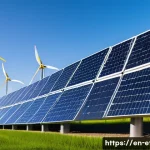
The surge in solar and wind energy adoption has reshaped the way electrical engineers approach power generation. I’ve noticed firsthand that combining these renewable sources with advanced storage solutions makes energy supply more reliable despite their intermittent nature.
Many new projects emphasize hybrid systems that optimize output based on weather patterns and demand forecasts. This synergy not only reduces reliance on fossil fuels but also encourages innovative grid management techniques.
Engineers now frequently work with sophisticated simulation tools to predict system performance and plan maintenance, making the integration process both efficient and resilient.
Energy Storage Innovations Enhancing Grid Stability
Energy storage technologies like lithium-ion batteries and emerging solid-state options have become game-changers in electrical engineering. From my experience, the ability to store excess energy and dispatch it during peak demand significantly stabilizes the grid.
Beyond traditional battery systems, flow batteries and compressed air storage are gaining traction for large-scale applications. This shift is critical for balancing supply fluctuations inherent in renewable sources.
Moreover, engineers are exploring second-life battery applications, which extend the lifecycle of electric vehicle batteries for grid support, creating a sustainable loop that benefits both industries.
Smart Grid Developments for Enhanced Efficiency
Smart grids represent a leap forward in how power networks operate, incorporating real-time data analytics, automated controls, and decentralized energy resources.
I’ve seen how utilities leverage smart meters and IoT devices to gain granular insights into consumption patterns, enabling dynamic pricing and demand response programs.
This level of control helps prevent blackouts and reduces operational costs. Additionally, smart grids facilitate the integration of distributed energy resources like rooftop solar panels and electric vehicles.
The continuous evolution of communication protocols and cybersecurity measures ensures these grids remain secure and adaptable to future demands.
Advanced IoT Applications in Electrical Systems
Remote Monitoring and Predictive Maintenance
IoT’s role in electrical engineering has expanded dramatically, particularly in monitoring equipment health remotely. In projects I’ve been involved with, sensors collect data on voltage, temperature, and vibration, which algorithms analyze to predict failures before they happen.
This proactive approach minimizes downtime and maintenance expenses, crucial for critical infrastructure. The data-driven insights also help optimize asset utilization, extending equipment lifespan.
As IoT platforms evolve, integration with cloud computing and AI enhances the precision and scope of predictive maintenance strategies.
Smart Home and Building Automation
The proliferation of smart devices has transformed residential and commercial electrical systems. I find it fascinating how engineers design integrated solutions that allow seamless control of lighting, HVAC, and security systems from mobile apps or voice assistants.
These setups not only improve convenience but also contribute to energy efficiency by adjusting consumption based on occupancy and preferences. Advances in wireless communication and sensor technology continue to push the boundaries of what’s possible, enabling smarter energy management and contributing to sustainability goals.
Challenges in IoT Security and Data Privacy
With the benefits of IoT come significant concerns about security and privacy. From my experience, safeguarding electrical systems connected to the internet requires rigorous encryption, authentication protocols, and continuous monitoring for vulnerabilities.
Cyberattacks targeting critical infrastructure can have severe consequences, making it imperative for engineers to adopt best practices in designing secure systems.
Additionally, managing the vast amounts of data generated demands compliance with privacy regulations and ethical considerations, ensuring user trust and regulatory adherence.
Breakthroughs in Power Electronics and Semiconductor Technologies
Wide Bandgap Semiconductors Revolutionizing Efficiency
Materials like silicon carbide (SiC) and gallium nitride (GaN) are reshaping power electronics by enabling devices to operate at higher voltages, frequencies, and temperatures.
I’ve witnessed their impact in applications ranging from electric vehicles to renewable energy inverters. These semiconductors reduce energy losses and shrink component sizes, leading to more compact and efficient systems.
The challenge lies in manufacturing cost and integration, but ongoing advancements are making these technologies increasingly accessible to engineers and manufacturers alike.
Modular and Scalable Power Converter Designs
The trend toward modularity allows engineers to build power converters that can be easily scaled or reconfigured according to application needs. In practice, this flexibility accelerates development cycles and simplifies maintenance.
By standardizing modules, systems become more adaptable to changing load requirements or new functionalities. This approach also supports the integration of renewable sources and energy storage by providing customizable interfaces and control strategies, enhancing overall system performance and reliability.
Thermal Management Innovations for High-Power Devices
As power density increases in modern electronics, effective thermal management becomes a critical engineering challenge. From my projects, I’ve learned that innovative cooling techniques such as liquid cooling, heat pipes, and advanced thermal interface materials significantly improve device longevity and performance.
Smart thermal design not only prevents overheating but also enables higher operating frequencies and power ratings. Engineers are increasingly using simulation tools to optimize heat dissipation strategies, balancing cost and efficiency to meet stringent reliability standards.
Artificial Intelligence Empowering Electrical Engineering Solutions
AI-Driven System Optimization and Control
Artificial intelligence is transforming how electrical engineers approach system design and operation. I’ve applied machine learning algorithms to optimize grid dispatch, reduce energy losses, and predict load demands with remarkable accuracy.
These AI models continuously learn from incoming data, adapting to changing conditions and improving decision-making processes. The result is a more resilient and efficient power system capable of handling the complexity of distributed generation and dynamic consumer behavior.
Automation in Design and Fault Detection
AI tools are now integral in automating routine design tasks and detecting faults in electrical systems. For example, generative design software helps create optimized circuit layouts by exploring countless configurations faster than manual methods.

Additionally, AI-powered diagnostic tools analyze sensor data to identify anomalies and pinpoint faults, facilitating rapid response and repair. This automation reduces human error and accelerates development timelines, allowing engineers to focus on innovation and system enhancement.
Data Analytics Enhancing Energy Forecasting
Energy forecasting benefits greatly from AI’s ability to process large datasets and uncover patterns invisible to traditional methods. In my experience, combining weather data, historical consumption, and real-time sensor inputs provides more accurate predictions for renewable generation and demand peaks.
These insights enable utilities and grid operators to plan maintenance, dispatch resources efficiently, and avoid costly outages. As data availability grows, AI-driven analytics will become indispensable in managing increasingly complex electrical networks.
Electrification and Sustainable Transportation Trends
Advancements in Electric Vehicle Powertrain Technologies
The electrification of transportation has propelled innovations in motor design, battery management, and charging infrastructure. I’ve followed developments where engineers optimize power electronics and thermal systems to improve EV range and performance.
The shift toward solid-state batteries promises even greater energy density and safety. Alongside vehicle technology, smart charging stations with grid interaction capabilities support demand management and renewable integration, highlighting the interconnected nature of modern electrical engineering challenges.
Grid Integration and Vehicle-to-Grid Solutions
Vehicle-to-grid (V2G) technology allows electric vehicles to feed energy back into the grid during peak periods, providing a valuable resource for grid stability.
From discussions with colleagues, implementing V2G requires sophisticated control algorithms and communication protocols to coordinate energy flows without compromising vehicle usability.
This bidirectional interaction not only enhances grid resilience but also offers economic incentives for EV owners, fostering wider adoption and smarter energy ecosystems.
Infrastructure Development for Mass Electrification
Supporting widespread electrification demands robust infrastructure expansion, including high-capacity charging networks and upgraded distribution systems.
In projects I’ve observed, planners integrate renewable energy sources and energy storage with charging stations to minimize grid impact. Smart grid technologies and real-time monitoring ensure efficient operation even under heavy loads.
This comprehensive approach addresses challenges such as peak demand spikes and geographic disparities, paving the way for sustainable transportation at scale.
Comparative Overview of Key Technologies in Electrical Engineering
| Technology | Primary Benefit | Current Challenges | Future Potential |
|---|---|---|---|
| Solar & Wind Integration | Renewable, sustainable power generation | Intermittency, storage requirements | Hybrid systems with AI optimization |
| Energy Storage | Grid stability, peak shaving | Cost, material availability | Solid-state batteries, second-life use |
| Smart Grids | Enhanced control, efficiency | Cybersecurity, infrastructure cost | IoT expansion, AI-driven automation |
| Wide Bandgap Semiconductors | Higher efficiency, compact designs | Manufacturing cost | Mass adoption in EVs and renewables |
| AI Applications | Optimization, fault detection | Data privacy, algorithm transparency | Fully autonomous grid management |
| Electrification of Transport | Reduced emissions, energy flexibility | Infrastructure, battery tech limits | Vehicle-to-grid integration, solid-state batteries |
Cutting-Edge Materials Shaping Electrical Components
Nanomaterials Enhancing Conductivity and Strength
Nanotechnology is making waves in electrical engineering by improving the electrical and mechanical properties of components. In my work, incorporating carbon nanotubes and graphene into wiring and connectors has shown promise in reducing resistance and increasing durability.
These materials also enable miniaturization of devices without sacrificing performance. While still emerging, the potential for nanomaterials to revolutionize sensors, energy storage, and semiconductor devices is immense, inspiring ongoing research and experimentation.
Eco-Friendly Insulation and Coatings
Sustainability considerations have pushed the development of environmentally friendly insulation materials and coatings. I’ve tested bio-based polymers and recyclable compounds that maintain electrical integrity while reducing environmental impact.
These materials often offer enhanced thermal stability and fire resistance, meeting stringent industry standards. Adopting such alternatives aligns with global efforts to reduce the carbon footprint of electrical manufacturing and supports circular economy principles within the engineering community.
Flexible and Wearable Electronics Materials
The rise of flexible electronics demands materials that combine conductivity with mechanical flexibility. Engineers, including myself, are exploring conductive polymers and stretchable composites to create wearable devices and smart textiles.
These innovations open new frontiers in health monitoring, communication, and human-machine interfaces. Challenges remain in durability and mass production, but the rapid progress in material science suggests that flexible electronics will soon become mainstream components of electrical engineering solutions.
Conclusion
Emerging renewable energy technologies and advanced electrical engineering solutions are reshaping the future of power systems. From integrating solar and wind with smart grids to AI-driven optimizations, these innovations are enhancing efficiency, sustainability, and reliability. Embracing these advancements is essential for meeting global energy demands while reducing environmental impact. The journey ahead promises exciting opportunities for engineers and society alike.
Useful Information to Keep in Mind
1. Combining solar and wind energy with storage systems significantly improves power reliability despite natural intermittency.
2. Advanced energy storage options, including second-life batteries, play a crucial role in stabilizing modern power grids.
3. Smart grid technologies utilize real-time data and IoT devices to optimize energy consumption and prevent outages effectively.
4. AI applications in electrical engineering enhance system design, fault detection, and energy forecasting with greater accuracy.
5. Sustainable materials and flexible electronics are opening new frontiers in component durability, miniaturization, and wearable technologies.
Key Takeaways
The integration of renewable energy sources demands innovative storage and grid management solutions to ensure stability. Embracing AI and IoT technologies enhances operational efficiency while presenting new security challenges that require vigilant protection. Advances in semiconductor materials and power electronics drive performance improvements, but cost and scalability remain considerations. Sustainable materials and electrification of transport are critical for reducing carbon footprints and supporting future energy ecosystems. Understanding these interconnected trends is vital for anyone involved in modern electrical engineering and energy sectors.
Frequently Asked Questions (FAQ) 📖
Q: What are the most significant emerging trends in electrical engineering today?
A: Right now, some of the hottest trends include advancements in renewable energy sources like solar and wind, the rise of smart grids that optimize energy distribution, and the integration of IoT devices to make systems more intelligent and responsive.
These innovations are not just theoretical—they’re actively transforming how energy is generated, managed, and consumed. For professionals, staying informed about these developments means better project outcomes and a competitive edge in the job market.
Q: How can I effectively keep up with the fast-paced changes in electrical engineering?
A: From my experience, the best approach is a mix of continuous learning and hands-on practice. Subscribing to industry journals, attending webinars, and joining professional groups can provide up-to-date insights.
More importantly, experimenting with new tools or small-scale projects—like setting up a smart home system or working with renewable energy kits—helps solidify your understanding.
This blend of theory and practical exposure is what truly keeps you ahead.
Q: Are certifications still valuable in this evolving field, and which ones should I consider?
A: Absolutely, certifications remain a solid way to validate your skills and demonstrate commitment. Certifications like the Professional Engineer (PE) license, Certified Energy Manager (CEM), or specialized credentials in IoT and renewable energy technologies are highly respected.
When I pursued certifications, I noticed they opened doors to more advanced roles and projects. Plus, many employers look for these qualifications as proof of expertise in a rapidly changing landscape.