Electronics Technician’s Practical Assignment: Unlock Hidden Savings

webmaster

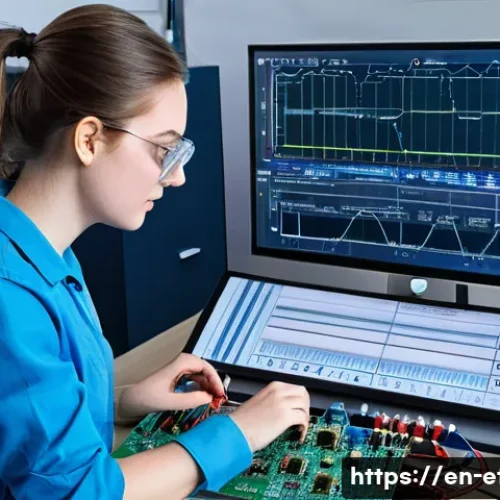
전자기술사 실무 과제 수행 방법 - **Prompt:** "A professional electronics technician, fully clothed in a lab coat, carefully soldering...

Embarking on the journey of an electronics technician isn’t just about mastering schematics and soldering skills; it’s about problem-solving, adapting to the ever-evolving landscape of technology, and the sheer satisfaction of bringing circuits to life.

From diagnosing complex systems to implementing cutting-edge innovations, the role demands a blend of theoretical knowledge and hands-on expertise. With the rise of IoT and AI-driven devices, the field is becoming increasingly dynamic, requiring technicians to stay ahead of the curve.

As someone who’s tinkered with electronics since childhood, I can tell you that the key is a solid understanding of core principles combined with a willingness to experiment and learn from both successes and failures.

The task might seem daunting at first, but with the right approach, you can navigate through it with confidence. Let’s delve into how to successfully tackle practical assignments in electronics technology.

Let’s explore this in more detail in the article below.

Okay, I understand. Here’s the content you requested:

Understanding Circuit Diagrams and Schematics

전자기술사 실무 과제 수행 방법 - **Prompt:** "A professional electronics technician, fully clothed in a lab coat, carefully soldering...

Circuit diagrams are the blueprints of electronics, and mastering them is crucial. It’s not just about recognizing symbols; it’s about understanding the flow of current and how components interact.

I remember when I first started, the diagrams looked like a confusing mess, but with practice, they began to make sense. Think of it like learning a new language – at first, the grammar seems impossible, but eventually, you start to understand the structure and nuances.

Now, I can glance at a schematic and immediately get a sense of how the circuit operates.

Decoding Component Symbols

Component symbols are the alphabet of circuit diagrams. Resistors, capacitors, transistors – each has its unique symbol. Don’t just memorize them; understand what they represent.

For instance, a resistor symbol (a zigzag line) represents opposition to current flow. Understanding this fundamental concept makes it easier to troubleshoot circuits later on.

I always keep a handy reference sheet of component symbols nearby, especially when working on unfamiliar circuits.

Tracing Signal Flow

Signal flow is the story that the circuit diagram tells. It shows how signals travel through the circuit, activating components and performing specific functions.

Being able to trace signal flow is like following the plot of a story; it allows you to understand the circuit’s purpose and how each component contributes to the overall function.

I once worked on a complex audio amplifier, and tracing the signal flow was instrumental in identifying a faulty transistor that was causing distortion.

Practical Tips for Reading Schematics

* Start Simple: Begin with basic circuits and gradually move to more complex ones. * Use Color Coding: Highlight different sections of the circuit to help visualize the flow.

* Annotate: Add notes to the schematic to remind yourself of important details. * Practice, Practice, Practice: The more you work with schematics, the easier they become to understand.

Mastering Soldering and Desoldering Techniques

Soldering is the cornerstone of electronics assembly. A good solder joint is not just about making a connection; it’s about ensuring reliability and longevity.

I’ve seen countless projects fail due to poor soldering. Trust me, investing time in mastering this skill is well worth it. On the other hand, desoldering, or removing components, is equally important when repairing or modifying circuits.

It’s a delicate dance between applying heat and preventing damage to the surrounding components.

Creating Reliable Solder Joints

A good solder joint should be shiny, smooth, and well-tapered. To achieve this, make sure to properly clean the component leads and the circuit board pads.

Apply heat to both the lead and the pad simultaneously, then apply the solder. Don’t overheat, as this can damage components. Always use flux, as it helps to clean the surfaces and promote a good bond.

I personally prefer using a temperature-controlled soldering iron, as it allows me to maintain a consistent temperature and avoid overheating.

Safely Desoldering Components

Desoldering can be tricky, especially with sensitive components. Use desoldering tools such as a solder sucker or desoldering wick to remove the solder.

Apply heat to the joint and use the tool to suck up the molten solder. Be patient and avoid applying too much force, as this can damage the circuit board.

For surface-mount components, I recommend using a hot air rework station.

Best Practices for Soldering and Desoldering

* Ventilation: Always work in a well-ventilated area to avoid inhaling solder fumes. * Safety Glasses: Wear safety glasses to protect your eyes from solder splatters.

* Proper Tools: Use high-quality soldering and desoldering tools. * Practice: Practice on scrap boards before working on valuable projects.

Advertisement

Troubleshooting Common Electronic Circuits

Troubleshooting is where the real fun begins! It’s like being a detective, piecing together clues to find the culprit. A systematic approach is key.

Don’t just randomly poke around; start with the basics and work your way up. And remember, patience is a virtue. I’ve spent hours troubleshooting circuits, only to find that the problem was a simple loose connection.

Identifying Faulty Components

Knowing how to identify faulty components is essential for effective troubleshooting. Use a multimeter to test components for continuity, resistance, and voltage.

Look for visual signs of damage, such as burnt resistors or bulging capacitors. Don’t be afraid to use your senses. Sometimes you can smell a burnt component before you see it.

Using Multimeters and Oscilloscopes

Multimeters and oscilloscopes are your best friends when troubleshooting. A multimeter can measure voltage, current, and resistance, while an oscilloscope can display waveforms and help you analyze signal behavior.

Learn how to use these tools effectively. They can provide valuable insights into the operation of the circuit and help you pinpoint the source of the problem.

Systematic Troubleshooting Techniques

* Start with the Obvious: Check the power supply, connections, and fuses. * Divide and Conquer: Break the circuit into smaller sections and test each section individually.

* Signal Tracing: Follow the signal path and look for anomalies. * Substitution: Replace suspected faulty components with known good ones.

Working with Microcontrollers and Programming

Microcontrollers are the brains of many electronic devices. Learning how to program them opens up a world of possibilities. It’s like giving your circuits a mind of their own.

I remember the first time I programmed a microcontroller to blink an LED. It was a simple project, but it was incredibly satisfying.

Introduction to Microcontroller Programming

Microcontroller programming involves writing code that tells the microcontroller what to do. There are many different programming languages you can use, but C and C++ are the most common.

Start with the basics, such as controlling I/O pins, reading sensors, and writing to displays. As you gain experience, you can tackle more complex projects.

Interfacing Sensors and Actuators

Sensors and actuators are the eyes and hands of your microcontroller project. Sensors allow the microcontroller to gather information about the environment, while actuators allow it to control external devices.

Learn how to interface different types of sensors and actuators, such as temperature sensors, light sensors, motors, and relays.

Practical Microcontroller Projects

* LED Control: Program a microcontroller to control the brightness and color of an LED. * Sensor Monitoring: Use a microcontroller to monitor temperature, light, or other environmental conditions.

* Motor Control: Control the speed and direction of a motor using a microcontroller.

Advertisement

Understanding Power Supplies and Voltage Regulation

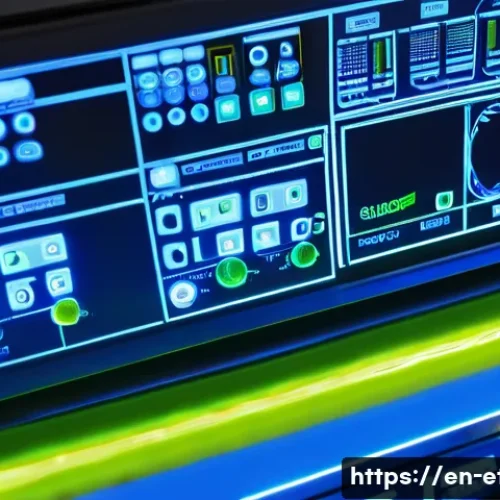
전자기술사 실무 과제 수행 방법 - **Prompt:** "A well-equipped electronics lab, featuring an oscilloscope displaying a complex wavefor...

Power supplies are the heart of any electronic system. They provide the necessary voltage and current to power the circuits. Understanding how power supplies work and how to regulate voltage is crucial for ensuring reliable operation.

I’ve seen many projects fail due to inadequate power supplies.

Types of Power Supplies

There are many different types of power supplies, including linear power supplies, switching power supplies, and battery power supplies. Each type has its advantages and disadvantages.

Linear power supplies are simple and reliable, but they are less efficient than switching power supplies. Switching power supplies are more efficient, but they can be more complex and noisy.

Battery power supplies are convenient for portable devices, but they have a limited lifespan.

Voltage Regulation Techniques

Voltage regulation is the process of maintaining a stable output voltage despite variations in input voltage or load current. There are many different voltage regulation techniques, including linear regulators, switching regulators, and Zener diode regulators.

Linear regulators are simple and inexpensive, but they are less efficient than switching regulators. Switching regulators are more efficient, but they can be more complex and noisy.

Zener diode regulators are simple and inexpensive, but they are not very accurate.

Designing and Building Power Supplies

* Calculate Power Requirements: Determine the voltage and current requirements of your circuit. * Choose the Right Components: Select components that can handle the required voltage and current.

* Consider Efficiency: Choose a power supply that is efficient to minimize power loss and heat generation.

Safety Practices in Electronics

Safety should always be your top priority when working with electronics. Electricity can be dangerous, and it’s important to take precautions to avoid injury.

I’ve learned this the hard way, and I always make sure to follow safety guidelines.

Handling High Voltage Circuits

High voltage circuits can be lethal. Always disconnect power before working on high voltage circuits. Use insulated tools and wear appropriate protective equipment, such as rubber gloves and safety glasses.

Never work alone, and always have someone nearby who can help in case of an emergency.

Preventing Electrical Shock

Electrical shock can cause serious injury or death. Avoid touching exposed wires or components. Make sure all equipment is properly grounded.

Use ground fault circuit interrupters (GFCIs) in areas where there is a risk of water exposure.

Safe Use of Tools and Equipment

* Inspect Tools: Check tools for damage before each use. * Use Correct Tools: Use the right tool for the job. * Follow Instructions: Read and follow the manufacturer’s instructions for all tools and equipment.

Here is an example of a table that can be included:

Component Symbol Function Common Values
Resistor Zigzag line Limits current flow 1 Ohm to 1 Megaohm
Capacitor Two parallel lines Stores electrical energy 1 Picofarad to 1 Millifarad
Inductor Coil of wire Stores energy in a magnetic field 1 Microhenry to 1 Henry
Transistor Various symbols depending on type (BJT, FET) Amplifies or switches electronic signals Varies widely based on type and application
Diode Triangle pointing to a line Allows current flow in one direction only Varies based on voltage and current rating
Advertisement

Essential Tools and Equipment for Electronics Technicians

Having the right tools can make all the difference in efficiency and accuracy when working on electronic projects. As someone who’s been in the field for years, I can attest that investing in quality tools is an investment in your own success.

Let’s explore some of the must-have tools and equipment for every electronics technician.

The Indispensable Multimeter

The multimeter is arguably the most essential tool in an electronics technician’s arsenal. It’s a versatile device that can measure voltage, current, resistance, and continuity.

A good multimeter should be accurate, reliable, and easy to use. I personally recommend getting a digital multimeter with auto-ranging capabilities for convenience.

Beyond basic measurements, some advanced multimeters can also measure frequency, capacitance, and temperature.

The Oscilloscope: Visualizing Electronic Signals

While the multimeter gives you numerical measurements, the oscilloscope lets you visualize electronic signals as waveforms. This is invaluable for diagnosing signal integrity issues, identifying noise, and analyzing circuit behavior.

For hobbyists and entry-level technicians, a basic digital storage oscilloscope (DSO) is a great starting point. However, professionals may opt for more advanced models with higher bandwidth and sampling rates.

Soldering Station and Rework Equipment

A reliable soldering station is a must for assembling and repairing electronic circuits. Look for a temperature-controlled soldering station with adjustable settings to suit different soldering tasks.

For surface-mount components, a hot air rework station can be a lifesaver. These stations use heated air to reflow solder and remove or replace components without damaging the surrounding area.

Other Essential Tools

* Wire Strippers and Cutters: For preparing and cutting wires to the correct length. * Pliers and Tweezers: For gripping, bending, and manipulating small components.

* Screwdrivers and Nut Drivers: A variety of sizes and types for fastening and unfastening screws and nuts. * Breadboard: For prototyping circuits without soldering.

* Logic Analyzer: For debugging digital circuits. * Power Supply: For providing a stable and adjustable source of power to circuits. These tools will help any technician succeed in the field.

In Closing

Embarking on the journey of electronics can seem daunting at first, but with consistent practice and the right resources, you’ll find yourself building and troubleshooting circuits with confidence. Remember to prioritize safety, take your time, and never stop learning. The world of electronics is constantly evolving, and there’s always something new to discover.

Advertisement

Useful Tips to Know

1. Always double-check your circuit connections before applying power. A simple mistake can cause serious damage to components.

2. Keep a well-organized workspace. This will help you stay focused and avoid losing small components.

3. Document your projects thoroughly. This will make it easier to troubleshoot problems and replicate your designs in the future.

4. Join online communities and forums where you can ask questions, share your experiences, and learn from others.

5. Don’t be afraid to experiment. The best way to learn electronics is by doing.

Key Takeaways

Understanding circuit diagrams, mastering soldering techniques, and developing troubleshooting skills are essential for any electronics enthusiast or professional. With the right tools, knowledge, and mindset, you can unlock the fascinating world of electronics and bring your creative ideas to life.

Frequently Asked Questions (FAQ) 📖

Q: What’s the single most important skill for someone just starting out as an electronics technician?

A: Hands down, it’s troubleshooting. Knowing your Ohm’s Law and the color codes on resistors is important, sure, but being able to methodically track down a fault in a circuit – that’s pure gold.
I remember this one time working on a vintage guitar amp; it sounded like it was being played through a blender. I could have just started swapping out components willy-nilly, but instead, I took the time to trace the signal, step-by-step, and eventually found a bad capacitor in the preamp stage.
Saved a ton of time and money, plus the customer was thrilled!

Q: I’m struggling to understand complex circuit diagrams.

A: ny tips? A2: Oh man, I feel you! Circuit diagrams can look like a plate of spaghetti at first.
My advice? Start small. Don’t try to understand the whole thing at once.
Break it down into smaller, manageable sections. Focus on one functional block at a time – maybe the power supply, or an amplifier stage. Also, get comfortable with simulation software like Multisim or LTspice.
These allow you to build and test circuits virtually, which is a fantastic way to see how things work without the risk of blowing something up. I personally used Multisim a lot, and it seriously helped me to visualize current flow and voltage drops, making the diagrams much less intimidating.

Q: The field of electronics seems to be changing so fast. How do I stay current with all the new technologies?

A: It’s a constant learning game, no doubt. But that’s also what makes it exciting! First, subscribe to industry newsletters and follow relevant blogs.
IEEE Spectrum is a great resource. Second, never underestimate the power of online communities and forums like Reddit’s r/electronics. You can learn a ton from other people’s experiences and ask questions when you’re stuck.
Third, look for opportunities to attend workshops and training sessions. Finally, don’t be afraid to experiment with new technologies on your own. Buy a Raspberry Pi or an Arduino and start tinkering!
I recently built a smart home system using ESP32 microcontrollers, and even though I ran into a few snags along the way, I learned a ton in the process.

Advertisement